Chemical filling machine URS
Define products, packs, materials, controls, safety interfaces and acceptance as traceable requirements.
Engineering resource centre
Use structured project guides to define, verify, accept and maintain chemical filling machinery from the first enquiry through site handover.
Evidence trail
A chemical filling project combines product chemistry, packaging, machinery, workplace controls and quality evidence. These resources help production, engineering, quality, EHS and procurement teams describe the requirement, identify open risks and agree what must be proved by document review, representative trial, FAT, SAT or site records.
They provide general engineering guidance rather than a machine guarantee, legal interpretation or site-specific risk assessment. Final suitability depends on the actual formulation, components, operating conditions, competent safety review and approved acceptance method.
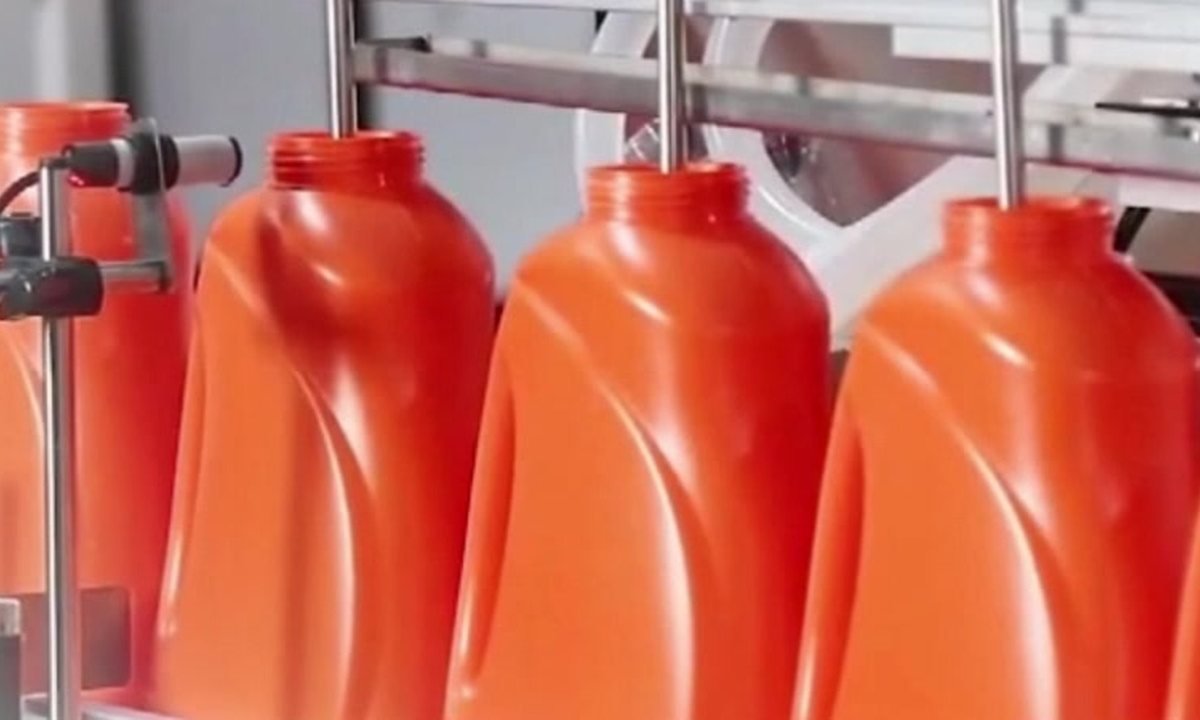
Link the enquiry, URS, supplier response, trial, order, FAT, SAT, training and change history to the same approved requirements.
Choose a resource
Define products, packs, materials, controls, safety interfaces and acceptance as traceable requirements.
Connect machine settings to calibrated measurement, sampling, targets, records and corrective action.
Plan closure, liner, seal, torque, leak and handling evidence for the finished pack.
Reassess product, pack, cleaning, component, software and site changes before release.
Move from installation through dry and wet commissioning, SAT, training and controlled production.
Define the drawings, schedules, manuals, settings, tests and backups required at handover.
Project sequence
Issue the approved products, packs, site interfaces and acceptance methods.
Close compatibility, safety, quantity and pack-quality assumptions with evidence.
Use FAT, commissioning and SAT records to prove the agreed scope.
Protect approved settings, documents and change decisions during production.
Commercial machinery routes
Start with corrosive liquid filling, detergent and cleaner filling, solvent filling, jerrycan and drum filling, chemical capping or complete chemical lines, then use the relevant evidence guide to prepare the enquiry and acceptance route.
Start the controlled brief
Identify what is confirmed, what is assumed and what needs to be proved before order or production release.
Using engineering evidence
These answers are written for early project definition. Final machine suitability depends on the actual formulation, packs, site conditions and representative testing.
Start with a controlled requirement or user requirement specification that states the products, packs, process outcome, site interfaces and acceptance evidence. Trials, drawings, materials schedules, FAT protocols and training records should answer that requirement rather than develop as disconnected documents.
Where important information is unknown, record the assumption, owner and decision date. That is more useful than hiding the gap inside a supplier quotation.
An assumption should become a controlled action when its failure could change safety, materials compatibility, quantity, finished-pack quality, throughput, site integration or commercial scope. Give it an owner, evidence required and closure point before the affected design is released.
Examples include unconfirmed viscosity, unknown bottle tolerance, provisional area classification, untested cleaning fluid or an existing conveyor speed that has not been measured.
Factory acceptance testing should prove what can be demonstrated on the supplied machine or assembled line using agreed products, packs, simulations and measurement methods. Site acceptance should confirm installation-dependent matters such as utilities, bulk supply, extraction, connected equipment, site controls, operating environment and trained production tasks.
Define both before order so a missing site interface is not mistaken for a factory test failure and a factory defect is not deferred without an owner.
Records should show the approved operating envelope, materials and component identities, recipes, test conditions, limits, open actions and the evidence used for acceptance. A proposed change can then be compared with the approved basis rather than relying on memory.
Link drawings, software versions, format parts, product samples, training and maintenance information to a controlled document register. Review compatibility and risk assessments when the formulation, cleaning method, pack, site or equipment changes.
Speak to Lancing
Send the current requirement, product and pack evidence, site interfaces and any trial or acceptance records already available.
Verification and lifecycle control
Requirements, FAT and handover are stronger when the accepted measurement method and the parts needed to preserve the approved configuration are defined before production begins.
Define what is calibrated, what is independently checked, which operating states are challenged and what evidence releases the line after maintenance.
Open the verification guideControl compatible wear parts, single-point failures, stock decisions, software backups and the checks required after replacement.
Open the spares guideCompare current first-party model data without treating a catalogue figure as product or site approval.
Compare model examplesAdditional engineering evidence
These resources address three search and specification gaps that sit between the filling-machine datasheet and the installed process: how gas leaves the pack, how releases are contained, and how accepted line output is measured.
Relate neck opening, nozzle clearance, fill profile, foam, vapour and container stiffness to a repeatable filling trial.
Separate routine drips, equipment leaks, process-area containment, drainage and wider site responsibilities.
Define accepted finished packs, loss states, line balance and recovery evidence for automatic chemical lines.