Describe
Identify current and proposed conditions, reason, affected products and implementation date.
Lifecycle control
Use a controlled review when an approved product, pack, component, setting, cleaning method or site interface changes.
Why changes matter
A new fragrance, raw-material supplier, concentration, colour, temperature, container resin, closure liner or cleaning chemical may affect compatibility, foam, viscosity, cut-off, torque, leakage or operator exposure. Software, hose, seal and nozzle changes can also alter a previously accepted process.
Management of change keeps the approved basis visible. It identifies affected requirements, evidence needed, temporary controls, document updates and the person authorised to release the change.
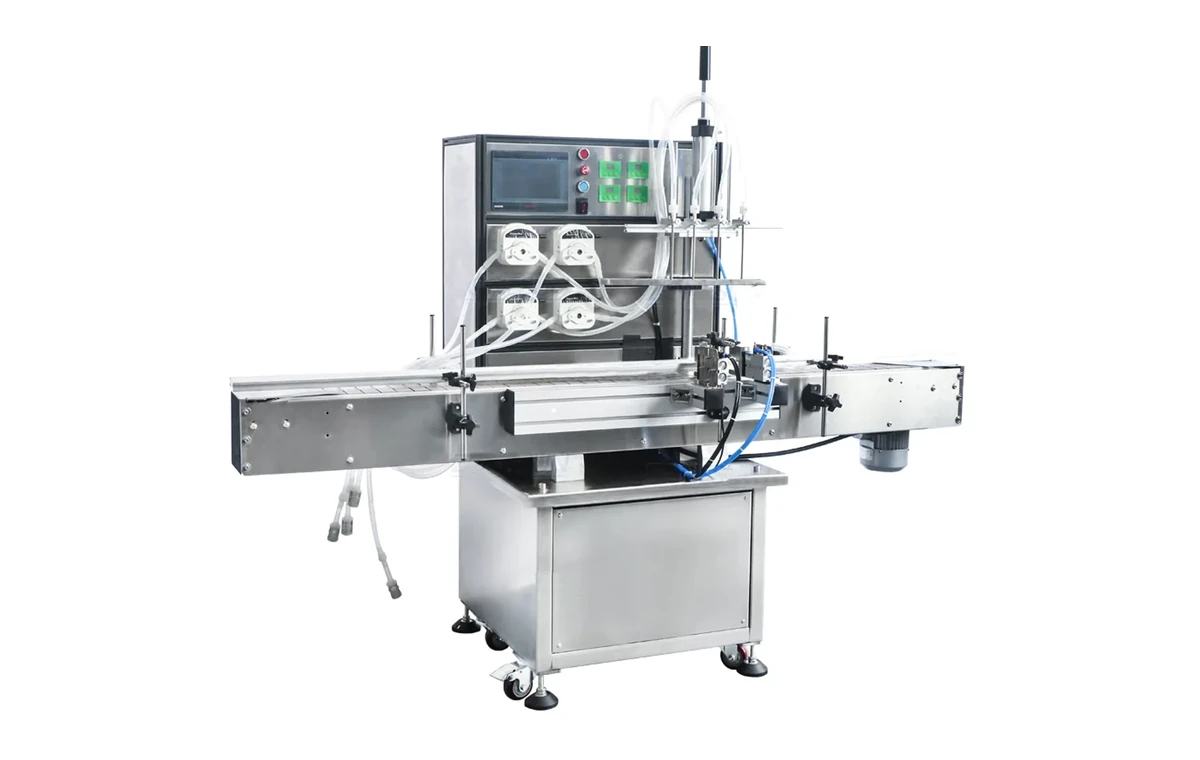
Do not rely on recipe names or operator memory. Record the exact change, impact review and release evidence.
Change triggers
| Change | Possible impact | Evidence to consider |
|---|---|---|
| Formula, concentration or raw-material supplier | Compatibility, density, viscosity, foam, vapour, cleaning and quantity setting | Updated product/SDS data, compatibility review and representative trial |
| Product temperature or storage time | Flow, cut-off, density, foam and material exposure | Boundary-condition fill and measurement checks |
| Container, neck or resin | Guiding, stability, nozzle clearance, capping, label and leak performance | Approved samples, format trial and finished-pack integrity test |
| Closure, liner, trigger or pump | Presentation, torque, orientation, sealing and user function | Supplier guidance, capping trial and integrity checks |
| Hose, seal, pump or nozzle component | Chemical resistance, flow, retained volume, drip and dose | Exact component approval and repeat fill/cleaning evidence |
| Cleaning chemical or method | Material exposure, residues, waste, dismantling and first-off quality | Cleaning review, rinse or residue method and first acceptable pack |
| Software, recipe or control logic | Settings, access, alarms, reject and traceability | Version record, functional challenge, backup and authorised release |
| Layout, extraction or connected equipment | Line flow, guarding, vapour, static, containment and emergency response | Updated drawings, site assessment and commissioning test |
Change workflow
Identify current and proposed conditions, reason, affected products and implementation date.
Review compatibility, safety, quality, quantity, controls, documents and commercial impact.
Complete required document reviews, trials, inspections, training and acceptance checks.
Approve the change, update controlled records and define post-change monitoring.
Workplace controls
HSE guidance says COSHH controls should be reviewed when changes to staff, processes, substances or equipment could create new risks. DSEAR duties also require dangerous-substance risks to be assessed and controlled. Use current HSE COSHH assessment guidance and HSE DSEAR guidance with competent site advice.
Buyer questions
Not necessarily. The change review should determine which requirements are affected and the proportionate evidence needed. A clearly equivalent change may need less testing than a new chemistry or pack system.
The user organisation should define ownership and approval. Production, engineering, quality, safety, maintenance and procurement may all need input depending on the change.
Yes when their material, construction or dimensions affect compatibility, flow, dose, cleaning or leakage. Record the approved part and review substitutions before use.
Critical settings should be controlled through authorised recipes, version records or formal instructions appropriate to the machine and quality system. Backups and access levels should be defined.
Monitor the first production run or defined period for the affected risks, confirm records are updated and close any temporary controls or open actions.
Speak to Lancing
Send the product, pack, output, site and evidence available. Lancing can review the machinery route and identify items that need samples, trials or specialist site input.