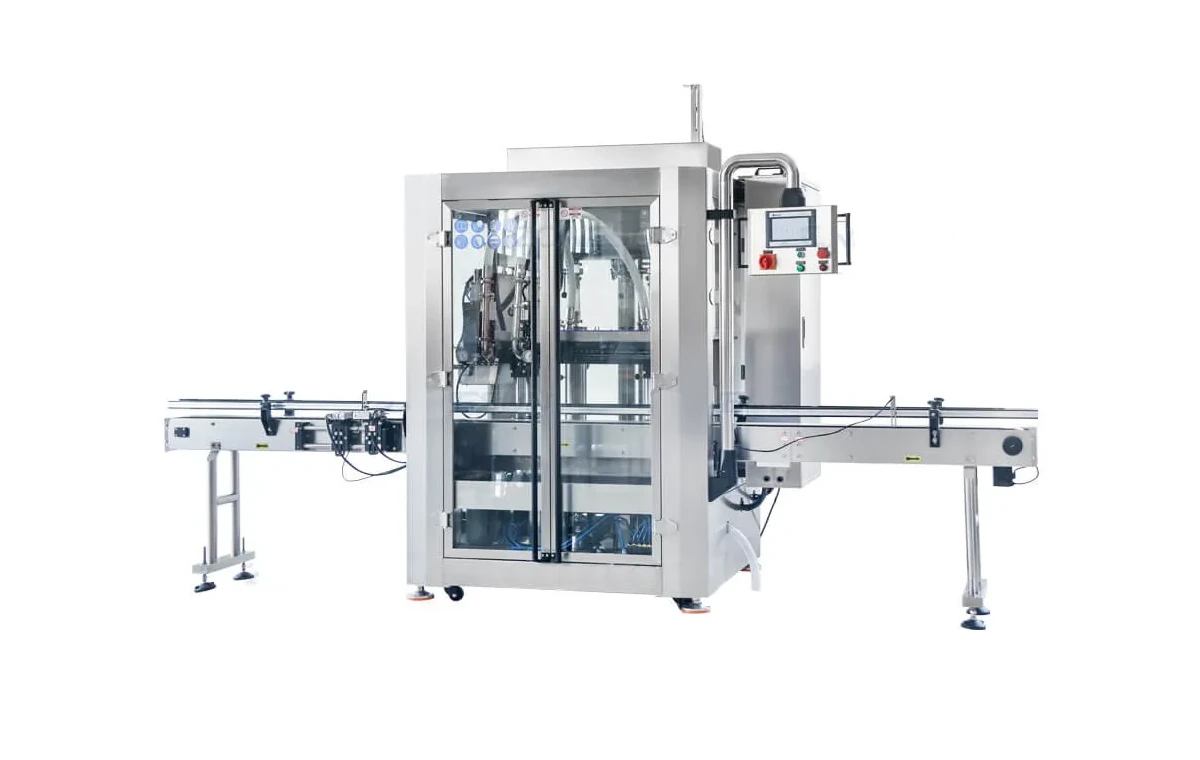
How to choose a chemical filling machine
A practical guide to matching filling method, automation level and line scope to your chemical product.
Read moreGuides
Use these guides to prepare a clearer enquiry, compare machinery options and avoid generic quotes that ignore product behaviour, compatibility, closure handling or line layout.
Choose your equipment
Start here before submitting a machinery enquiry.
A practical guide to matching filling method, automation level and line scope to your chemical product.
Read more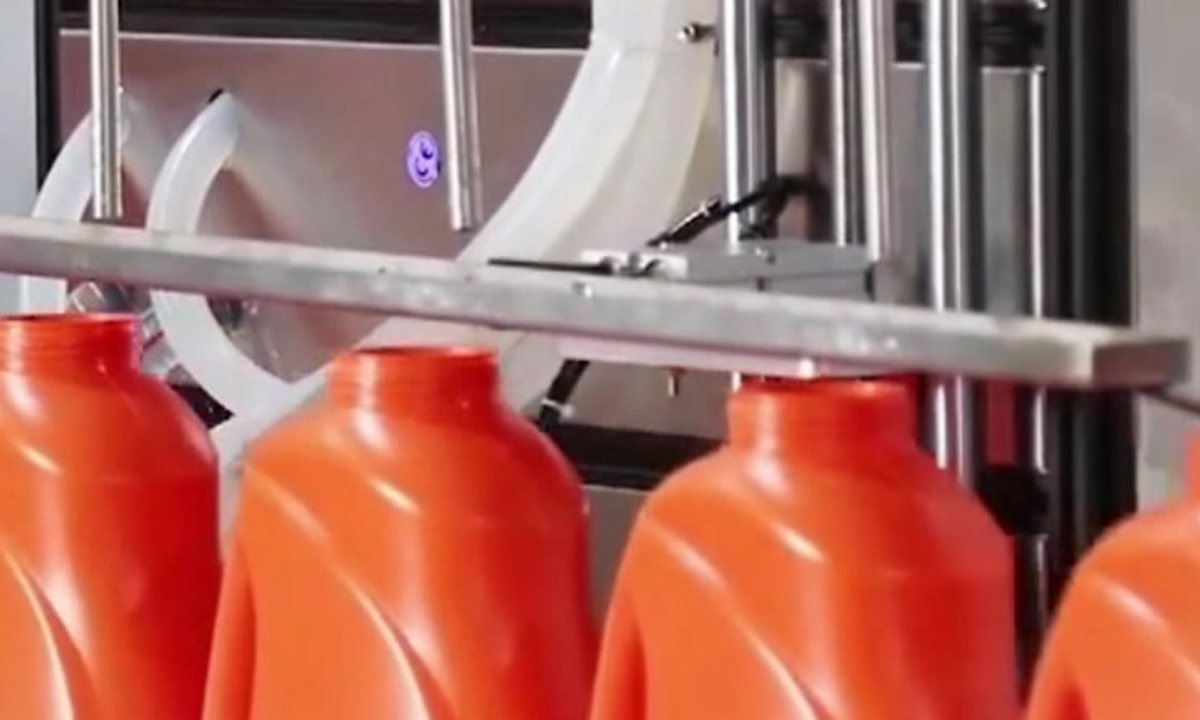
The details to send so the quote can be based on the real product, container, closure and output target.
Read more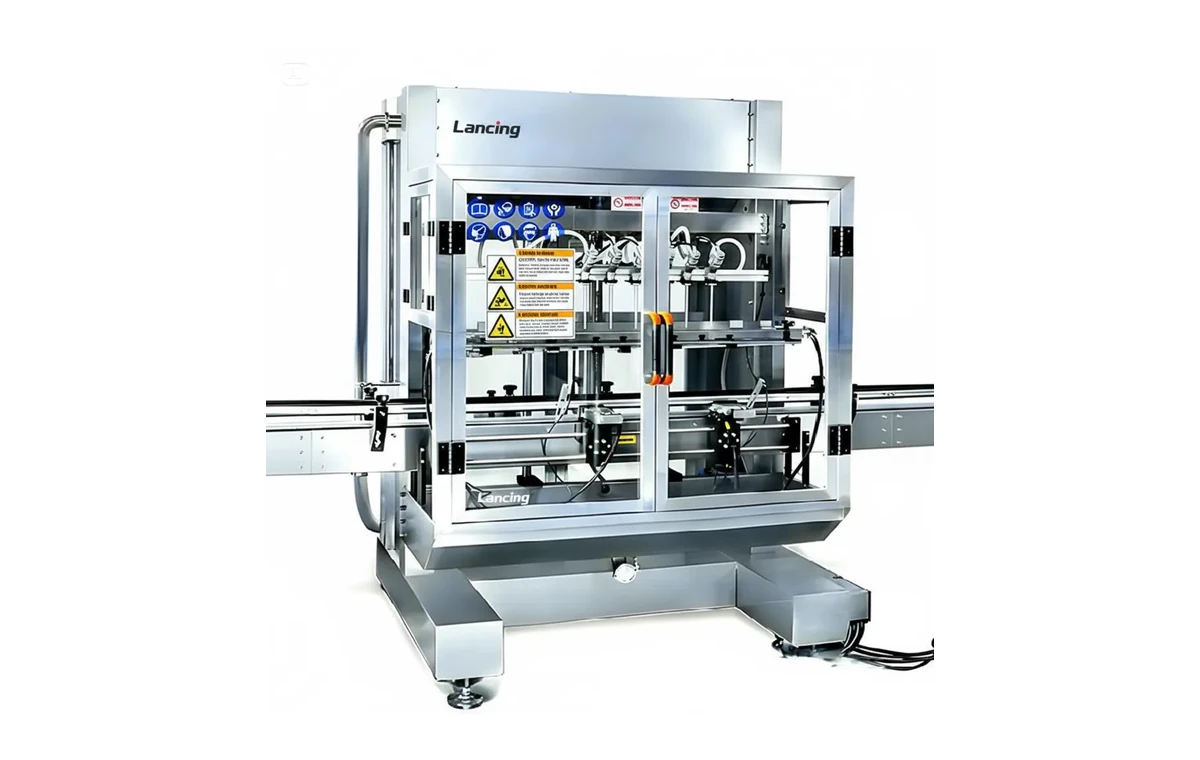
How to prepare solvent and flammable-liquid enquiries for proper machinery review.
Read more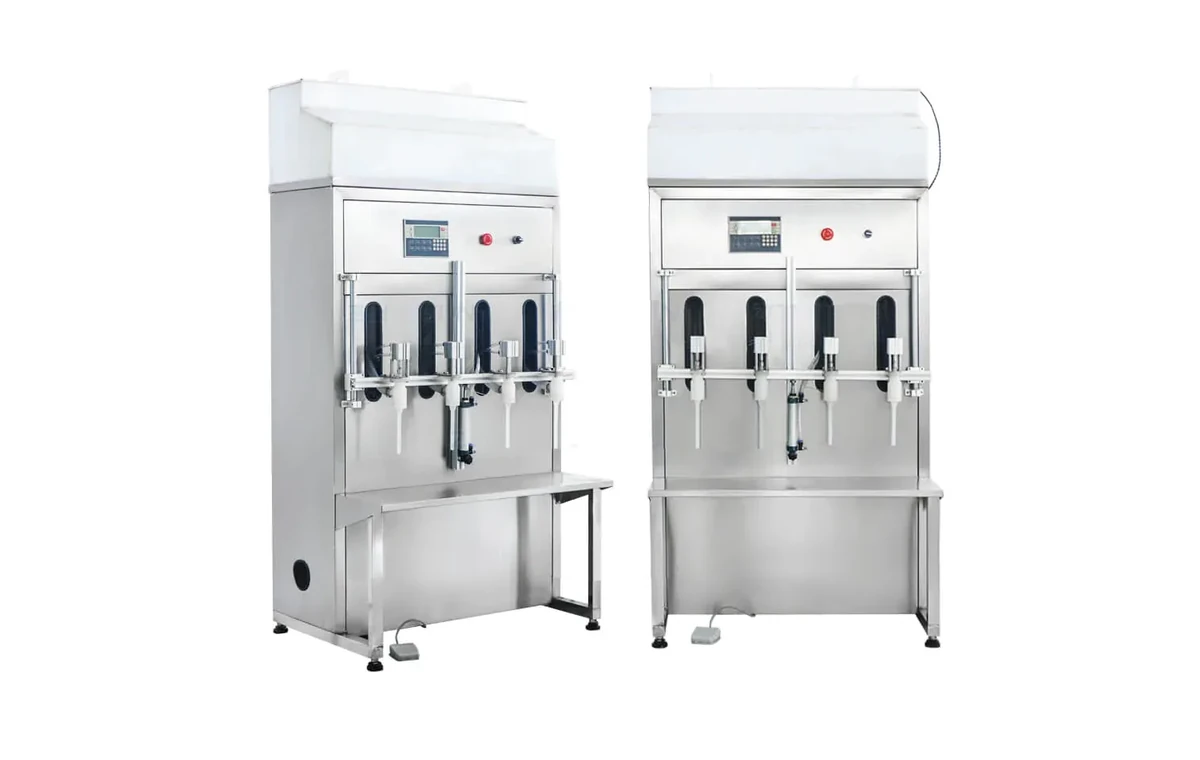
What to think about when filling acids, bleach, alkalis and aggressive cleaners.
Read more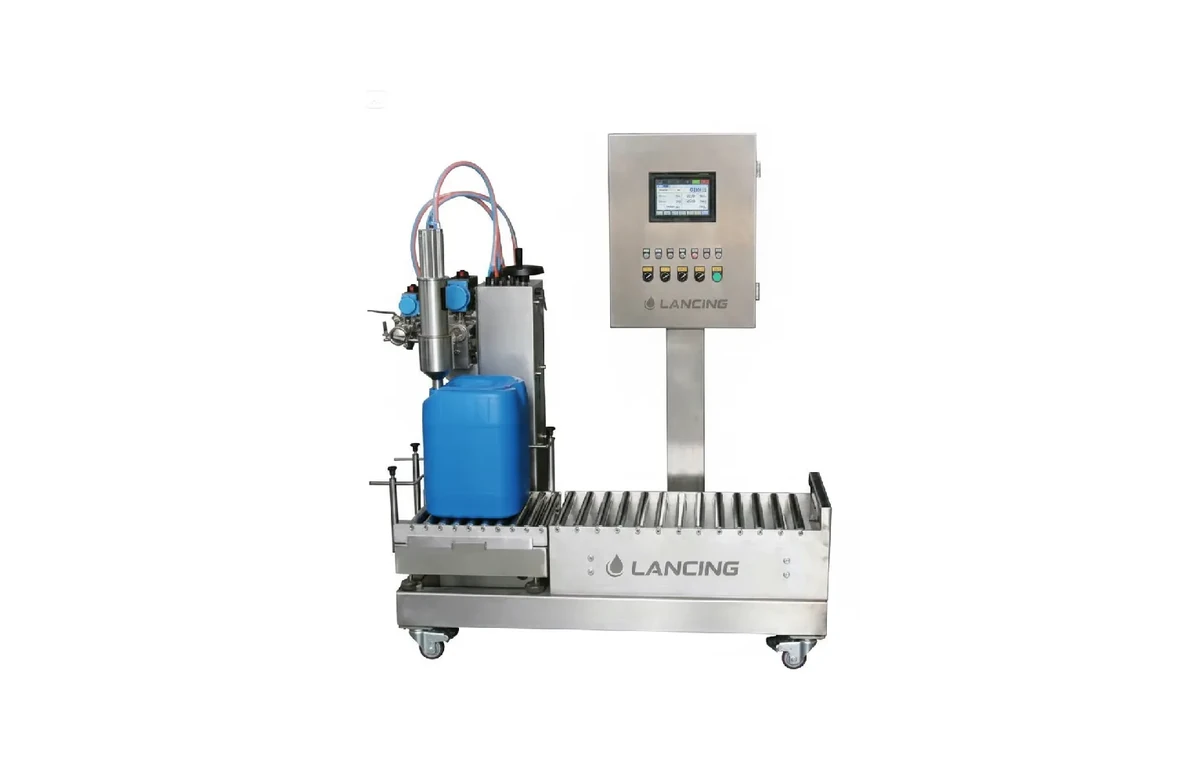
Large-container planning for 5L to 25L packs, pails and drums.
Read more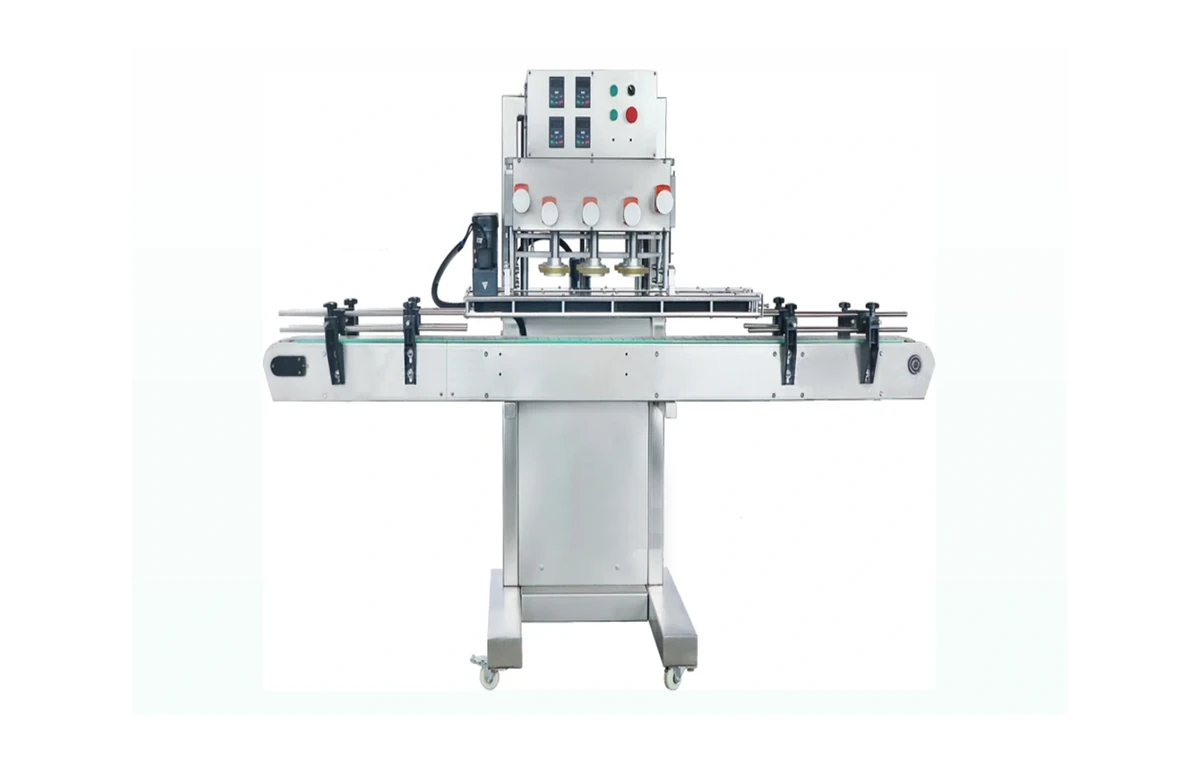
Closure type, torque control, cap feeding and line integration for chemical packs.
Read moreSpecification
These guides help you collect the product, container, closure, output and site details needed for a useful machinery recommendation.
FAQ
No. They are designed to prepare a better enquiry so the technical team can recommend a suitable machine faster.
Samples, clear photos or accurate dimensions are useful for containers, caps and labels. Product samples may also help where behaviour is difficult to describe.
Speak to Lancing
Send the product, fill volume, container, closure and target output. Include SDS and compatibility notes where relevant.
Use evidence, not assumptions
The guides help structure a chemical filling enquiry, but they do not approve a material, machine or safety design on their own. Record the product data, samples, site conditions and acceptance method used for each decision. Where a supplier compatibility statement, trial or competent risk assessment is still required, keep it open rather than filling the gap with a catalogue assumption.
Project record
Use revision-controlled product, pack, layout and acceptance information so changes do not remain in separate emails. The brief should distinguish customer-supplied facts, supplier assumptions, items demonstrated by trial and items awaiting approval. That record makes proposals easier to compare and provides a clearer basis for FAT and handover.
Prepare an enquiry
Use the checklist to prepare a more comparable machinery quotation.
Engineering resource centre
These resources cover the evidence that sits between machine selection and routine operation. They are designed for production, engineering, quality, EHS and procurement teams preparing or approving a chemical filling project.
Structure products, packs, materials, controls, safety interfaces and acceptance as testable requirements.
Plan reference measurement, target setting, sampling, overfill reduction and corrective action.
Define evidence for cap application, liners, seals, leaks, opening and realistic handling.
Reassess compatibility, safety and quality when formulations, packs, cleaning or equipment change.
Coordinate installation, dry and wet commissioning, SAT, training and controlled release.
Define the controlled drawings, schedules, manuals, settings, tests and backups required at handover.
Start the project file
Link the quotation, trial, order, FAT, SAT and production release to the same approved requirements.
Machine evidence and support
These guides add the practical evidence needed between the initial machinery shortlist and controlled production.