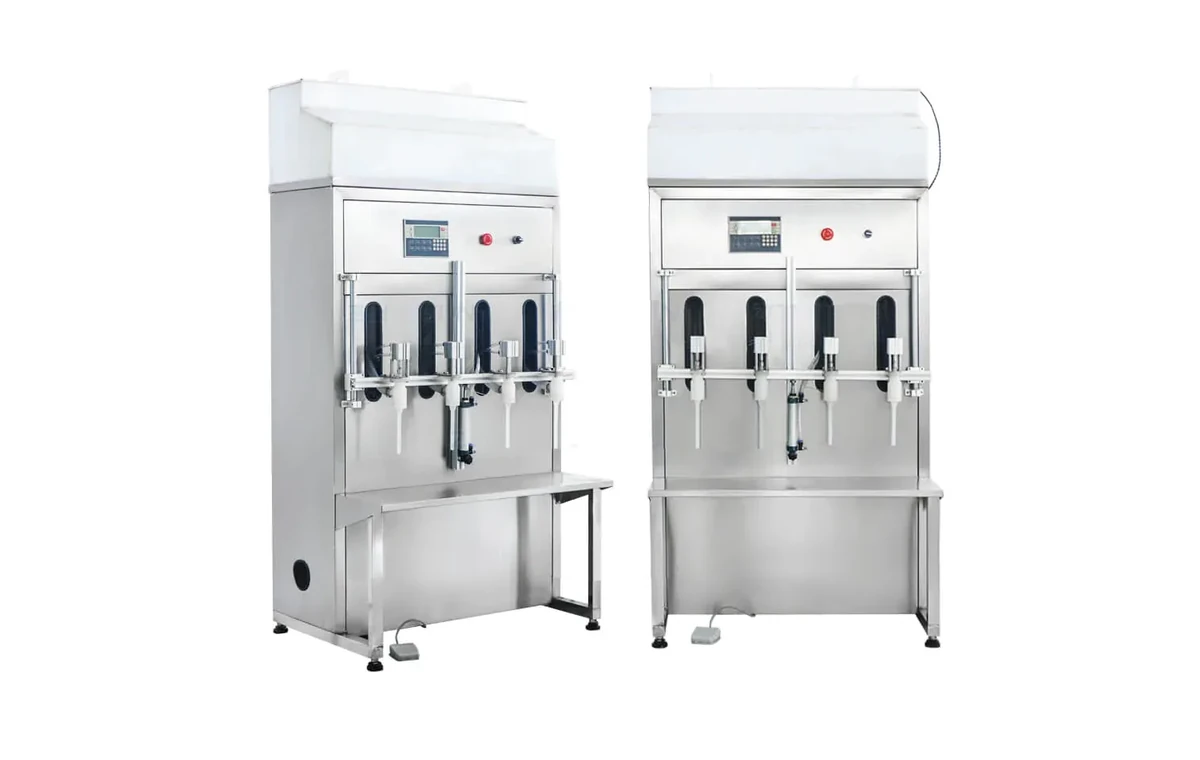
Anti-corrosion fillers
Plastic-contact filling options for bleach, acids, alkalis, fertilisers and aggressive cleaning liquids where stainless wetted parts are not suitable.
Read moreMachinery range
Compare chemical filling equipment by liquid behaviour, filling principle, automation level and pack format, then turn your product problem into a clear enquiry brief.
Choose your equipment
Select the option that best matches your liquid and pack. Each option explains when it is useful and what details to provide for a proper quotation.
Plastic-contact filling options for bleach, acids, alkalis, fertilisers and aggressive cleaning liquids where stainless wetted parts are not suitable.
Read more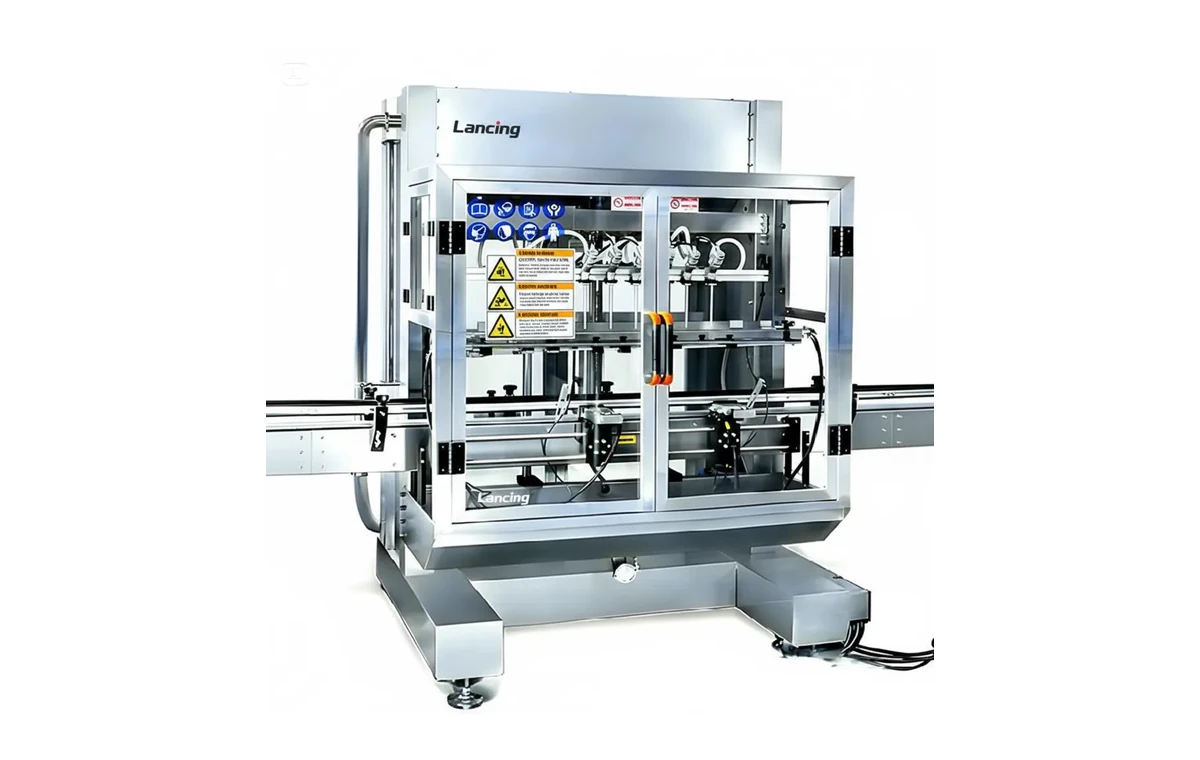
Filling machinery options for solvent, flammable or hazardous-area projects where the line must be considered alongside site zoning and product data.
Read more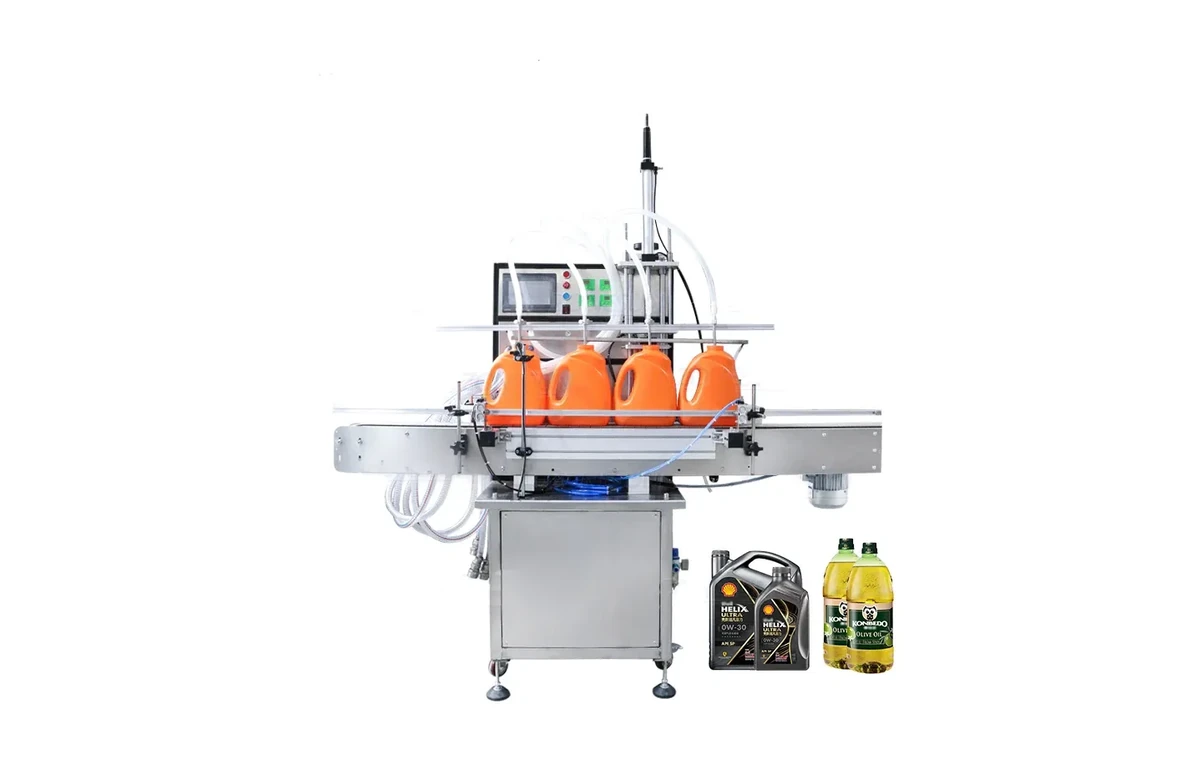
Semi-automatic and automatic filling options for foamy detergents, sanitisers, trigger-spray liquids, gels and household chemicals.
Read more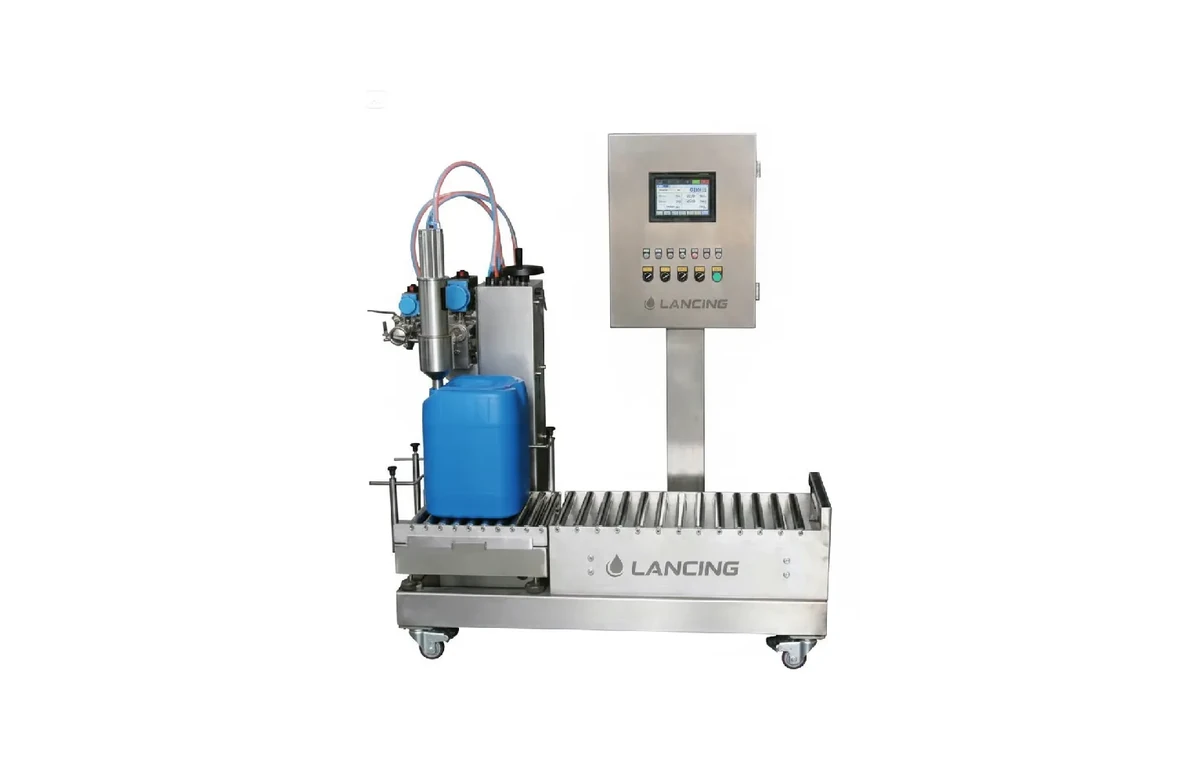
Weight, pump or flow-controlled filling options for 5L, 10L, 20L, 25L and larger industrial containers where handling matters as much as speed.
Read more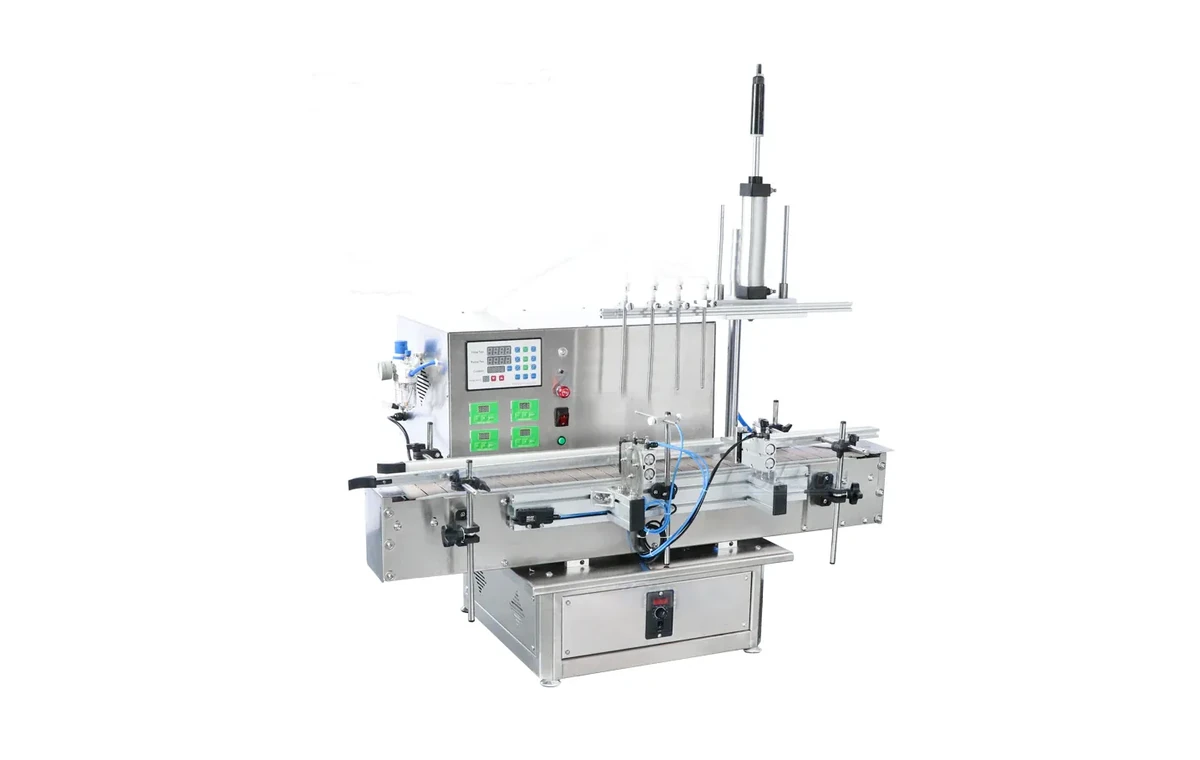
Project-led specification for low-viscosity specialist liquids, vapour considerations, splash control, fill accuracy and safer line layout.
Read more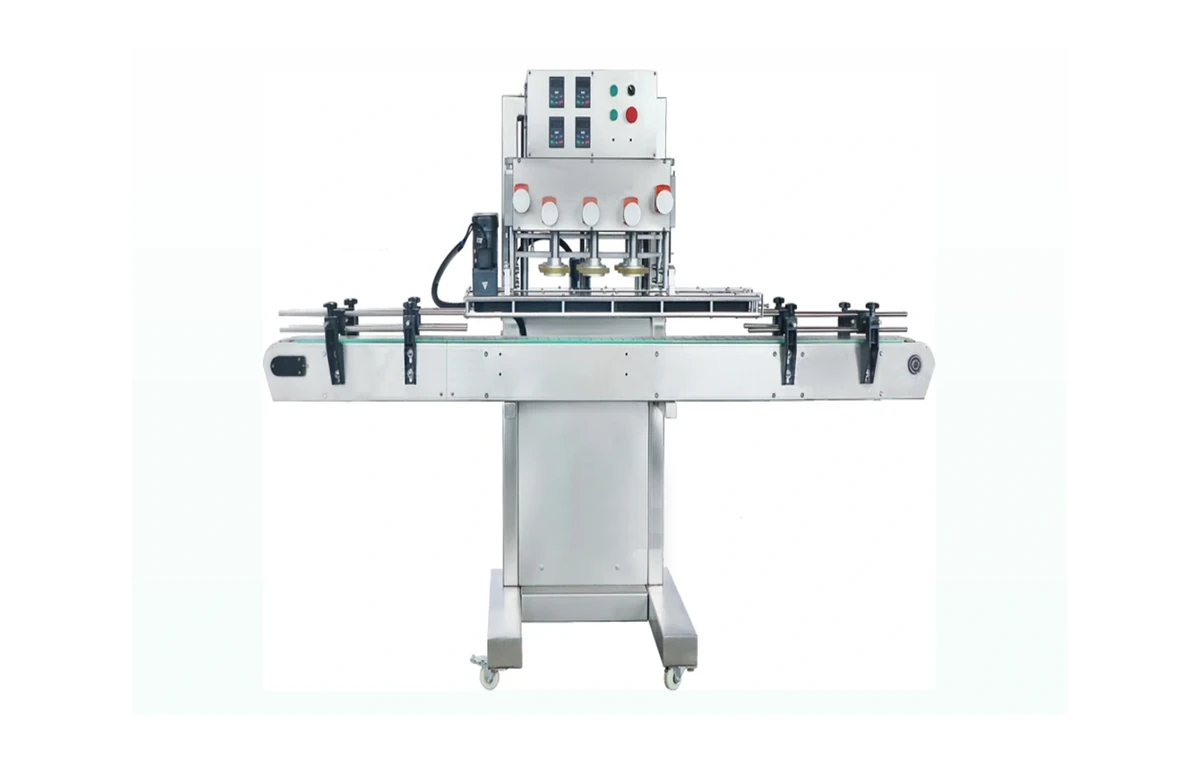
Screw caps, pumps, trigger sprays, ROPP closures, cap feeding and torque control specified around the filled chemical pack.
Read more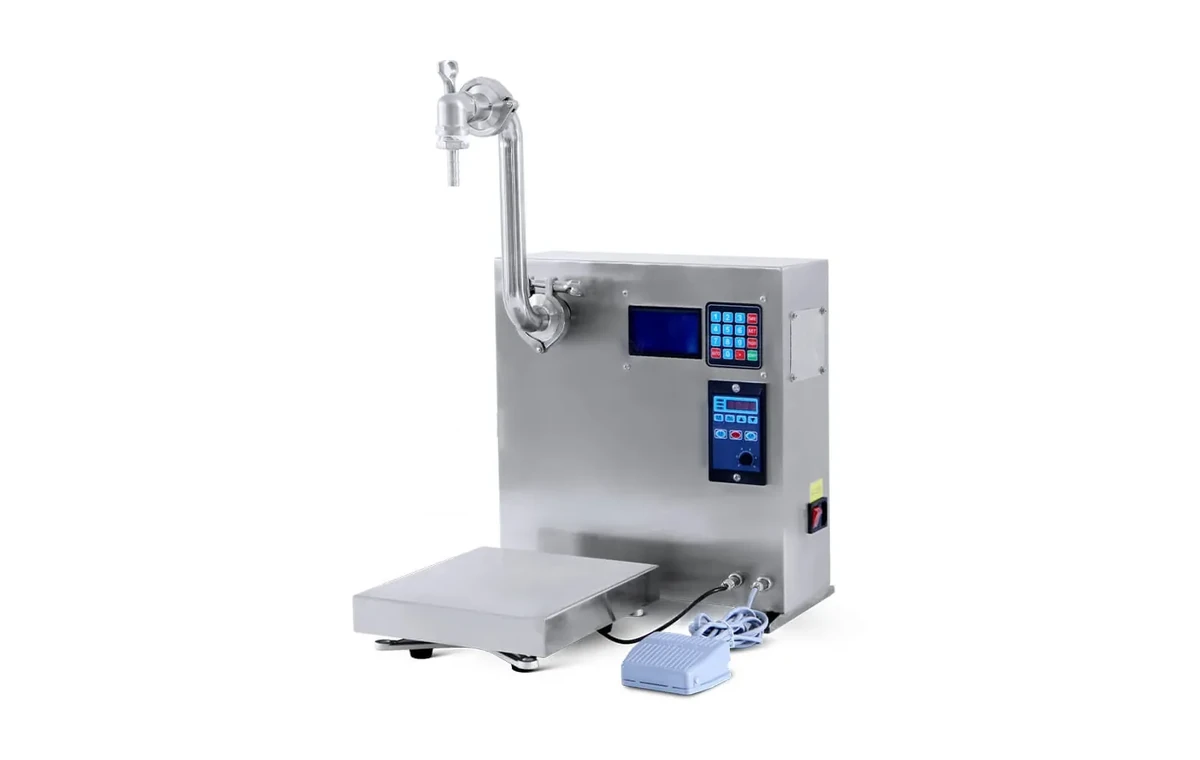
For pilot production, short runs, batch changeovers and growing manufacturers moving away from hand filling.
Read more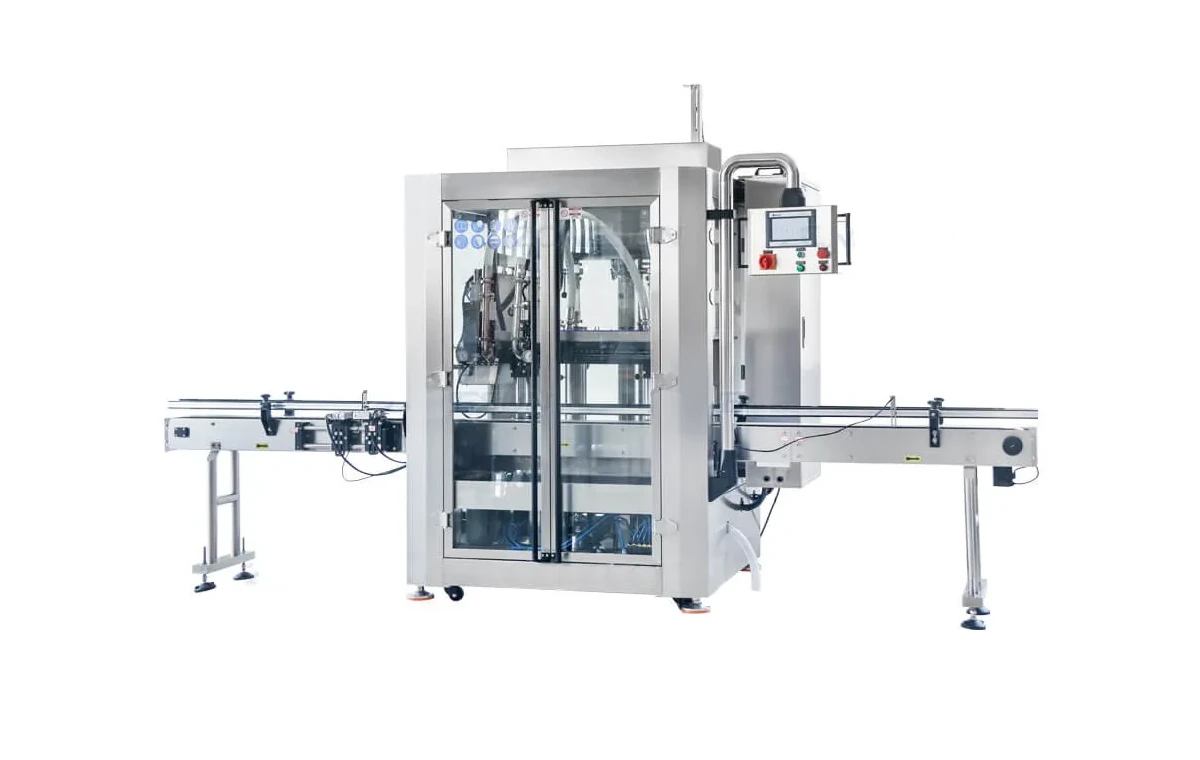
Inline multi-head systems for higher throughput, conveyor-fed containers, repeatable dosing and integrated fill-cap-label projects.
Read more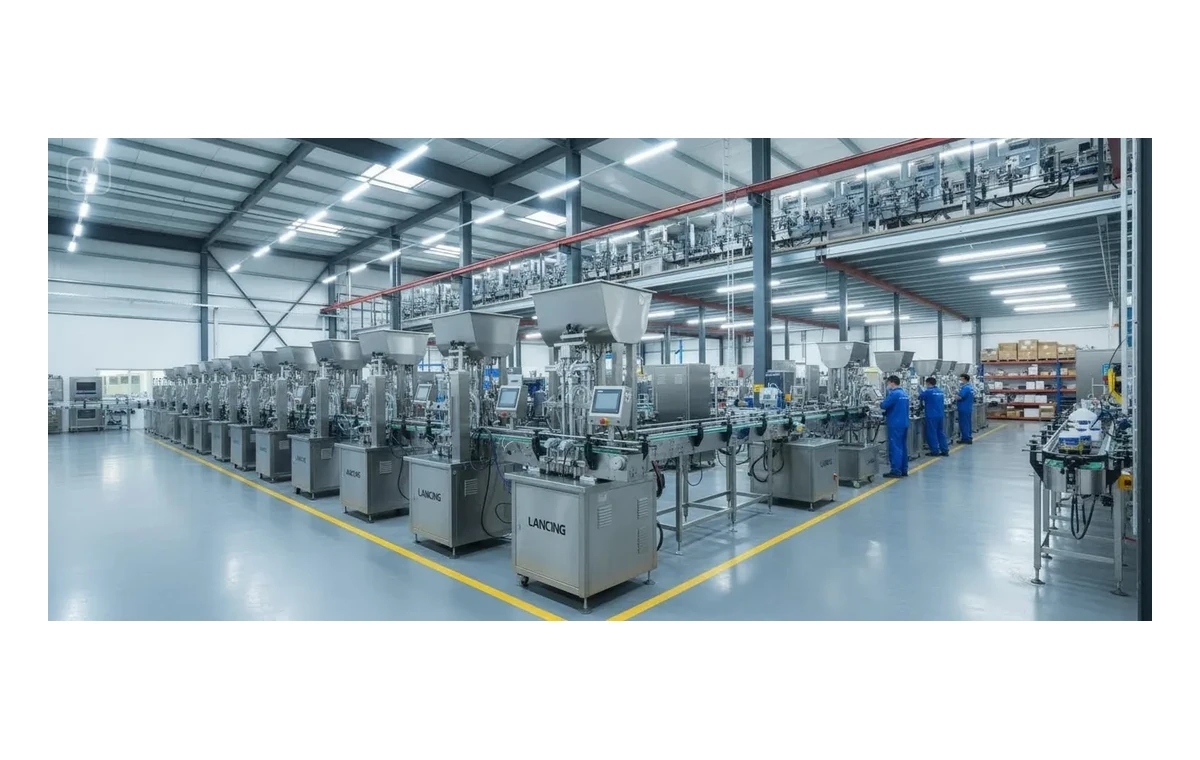
Filling, capping, labelling, coding, conveyors and accumulation planned as one working line rather than separate purchases.
Read moreSpecification
A fast machine is only useful when the filling method suits the product. Thin foaming detergents, heavy oils, aggressive bleach, adhesives and solvent products can all need different pumps, valves, nozzles and control logic.
Comparison
| Requirement | Why it matters | Possible equipment option |
|---|---|---|
| Corrosive product | Wetted material compatibility drives the machine design. | Anti-corrosion filler with suitable plastics, seals and tubing |
| Flammable solvent | Electrical and pneumatic specification may need hazardous-area review. | ATEX-aware specification |
| Foaming detergent | Nozzle control and fill profile affect splash, foam and presentation. | Diving nozzles, controlled flow and compatible pump option |
| Large containers | Operator handling, fill weight and ergonomics become critical. | Bucket, pail, jerrycan or drum filling equipment |
| Frequent SKU changes | Changeovers can dominate actual line performance. | Semi-auto, compact or modular automatic line |
Process
Identify viscosity, foaming, corrosiveness, particulates, temperature and material compatibility.
Check bottle stability, neck finish, cap family, label panel and outer packing method.
Compare batch size, operator time, containers per minute and planned growth.
Review conveyors, capping, labelling, coding, accumulation, guarding and installation needs.
FAQ
Start with product behaviour and container size. Corrosive liquids, flammable liquids, foamy detergents and viscous adhesives can need very different filling principles and contact materials.
Often yes, but the answer depends on viscosity range, compatibility, cleaning requirements, fill volume range and how frequently the line changes SKU.
Yes. Larger containers usually need weight, pump or flow-controlled options with careful attention to container handling and operator ergonomics.
Speak to Lancing
Send the product, fill volume, container, closure and target output. Include SDS and compatibility notes where relevant.
Technical selection
The dosing principle is only one part of the decision. A chemical filler also has to control the product path, start and stop cleanly, present the container safely, recover from faults and support the required cleaning and changeover method. The strongest specification separates verified requirements from assumptions and identifies the points that need a sample trial.
| Filling route | Where it may be considered | Critical qualification questions |
|---|---|---|
| Peristaltic | Small to medium doses where keeping liquid inside replaceable tubing offers a useful product-path or changeover benefit | Tubing chemistry, fatigue life, occlusion setting, flow stability, dose range and disposal or cleaning of the hose |
| Diaphragm pump | Free-flowing and some foamy liquids, including projects that benefit from a simple compatible fluid path | Diaphragm and valve materials, pulsation, suction conditions, pressure, air quality, cut-off and drainage |
| Piston or positive-displacement | Repeatable volumetric dosing for compatible liquids and more viscous products | Cylinder and seal compatibility, particle content, viscosity range, product temperature, cleaning access and anti-drip design |
| Gear or lobe pump | Oils, viscous liquids and applications requiring controlled positive displacement | Shear, dry-running risk, clearances, seal materials, solids, pressure, cleaning and whether product can remain in the pump |
| Weigh filling | Large containers or products where net weight is the preferred control variable | Tare handling, platform capacity, vibration, product feed control, two-stage fill, calibration method and container removal |
| Flow measurement | Automatic lines where a compatible meter can measure the product reliably | Conductivity or meter principle, density/temperature effects, entrained air, minimum flow, cleaning and calibration traceability |
Published Lancing platforms
Lancing publishes example platforms that illustrate different machine routes. The final configuration may change with product chemistry, dose, container, utilities, guarding and required output. Performance figures should therefore be repeated with the agreed product and packs during a controlled trial or factory acceptance test.
| Reference platform | Published route | Project use |
|---|---|---|
| LUYTCR2 | Two-head, fully pneumatic, plastic-contact semi-automatic filler; published 200–1000 ml reference range | Starting point for compatible corrosive household and industrial liquids; formulation approval remains essential |
| LUSVPP80C | Four-channel servo peristaltic automatic filler; published approximately 10–500 ml recommended range | Small-container automatic filling where hose-contact dosing and rapid product-path changeover may be valuable |
| LUGTW2S platform | Twin-head weigh filler with diving nozzles; published 5–30 litre reference range | Large-container projects where weight control, foaming and controlled pack handling are important |
| LUYTEXW1 platform | Compact weigh-filling route for 10–30 litre flammable-liquid applications | Reference only for projects with a competent hazardous-area brief and project-specific conformity requirements |
From trial to acceptance
A useful trial includes the lowest and highest fill, the least stable container, normal product temperature, start-up after a pause, nozzle shut-off, a planned changeover and the cleaning or flush method. Record actual values rather than relying on a headline speed. For automatic equipment, include infeed variation, downstream stops, no-container/no-fill behaviour and recovery after a controlled fault.
Issue one controlled application brief covering product, packs, output, site and acceptance boundaries.
Review wetted parts, seals, hoses, pumps and cleaning fluids with the relevant material and component suppliers.
Use representative product, containers and closures to expose foam, drips, splash, aeration and handling risk.
Measure the agreed fill and good-output criteria, record deviations and close actions before dispatch and handover.
Engineering FAQ
No. Suitability depends on the complete formulation, concentration, temperature, contaminants, cleaning chemicals, exposure time and fabrication details. Obtain a project-specific compatibility review rather than approving a machine by material name alone.
Sometimes one platform can cover a useful range, but nozzle reach, metering range, container support, change parts, line speed and accuracy at the extremes must be demonstrated. A very broad range can make changeover or performance less efficient.
Define the measure, sample size, target fill, product condition, container or tare method and whether the result is individual-pack, average or process-capability based. A percentage without test conditions is not a complete acceptance criterion.
Trials are particularly useful when chemistry, foam, viscosity, stringing, aeration, container stability or cut-off behaviour is uncertain. Use production-representative materials and agree what will be measured before the trial.
Yes for a complete line. Fill level, residue around the neck, container squeeze, closure presentation and conveyor spacing can affect capping and labelling. Treat the finished pack as the acceptance output.
Machine shortlist
Send the SDS where relevant, product and pack samples, fill range, target good output, cleaning requirement and site constraints.
Proposal comparison
Two proposals can appear similar while making different assumptions about the liquid, pack range, cleaning method or operator task. A controlled requirement register keeps those assumptions visible. It should distinguish the normal production case from the most demanding approved condition and state what evidence is required before a route is accepted.
| Requirement | Normal case | Boundary case to qualify | Evidence expected |
|---|---|---|---|
| Product behaviour | Routine formulation at normal process temperature | Highest or lowest viscosity, greatest foam tendency, solids, aeration or corrosive concentration within scope | Product data, compatibility review and representative filling trial |
| Fill range | Main commercial dose | Smallest and largest approved target, including change parts or recipe limits | Measured fills using an agreed method and stated product conditions |
| Container window | Primary bottle or pack | Least stable, smallest neck, offset handle or heaviest filled format | Sample run covering location, nozzle clearance, transfer and recovery from misplacement |
| Supply condition | Full, settled bulk source | Low level, long hose, realistic suction lift, pressure variation and restart after pause | Repeat trial with the intended feed arrangement or a documented equivalent |
| Changeover and cleaning | Routine same-product format change | Product change, flush, drain-down, hose or nozzle change and first acceptable pack | Written sequence, retained-volume review, waste route and timed witnessed test where required |
| Production output | Steady filling cycle | Normal replenishment, minor stops, operator tasks, capping and downstream restrictions | Good finished packs measured over an agreed period rather than nominal pump cycles |
Machine data sheet
The filling principle alone does not define the result. The proposal should identify the pump or metering device, every product-contact component, hose bore and length, valve arrangement, nozzle construction, shut-off method and the way the product path drains or is cleaned. This is particularly important where a product can foam, string, crystallise, attack an elastomer or remain trapped during a shutdown.
For each operating recipe, agree the start profile, main flow, slow-fill or top-off stage, nozzle movement and cut-off compensation where used. The machine should also have a defined response to no container, a blocked or misaligned pack, loss of product supply and a restart after a production stop.
Use the strongest owner page
Use corrosive liquid fillers for materials-led projects, detergent filling machines for foam-control trials, jerrycan and drum fillers for larger packs and solvent filling machines where vapour, static or hazardous-area information changes the scope. Complete packaging-line interfaces remain on the chemical filling, capping and labelling line page.
Evidence-led selection
A broad catalogue match is not enough for an industrial chemical filler. The proposal should identify the dominant production risk, the test needed to reduce that risk and the document that will hold the approved result.
| Dominant requirement | Evidence before selection | What belongs in the order specification |
|---|---|---|
| Chemical compatibility | Exact formulation, concentration, temperature, cleaning fluids and a component-by-component contact-path review | Approved materials schedule for tank, pump, valves, hoses, seals, fittings and nozzles, with exclusions recorded |
| Foam, splash or stringing | Representative trial across fill range, product temperature, supply level and restart conditions | Nozzle type, movement, flow stages, cut-off method, headspace and acceptance checks for settled fill and pack cleanliness |
| Quantity control | Defined net-volume or net-weight method, calibrated reference equipment and realistic container or tare variation | Target, tolerance, sample method, data record, reject or adjustment response and the boundary between filler and site quality system |
| Hazardous or volatile duty | SDS, DSEAR information, hazardous-area classification, vapour and static assessment and site interfaces | Equipment category and boundary, extraction, bonding/earthing, containment, interlocks, documentation and site responsibilities |
| Multi-format production | Full product, container and closure matrix including the smallest, largest and least stable formats | Change parts, recipe limits, cleaning sequence, first-off approval and revalidation triggers |
| Integrated good output | Timed line trial including replenishment, minor stops, capping, labelling, inspection and pack-off | Good-finished-pack definition, fault recovery, control interfaces and FAT/SAT measurement window |
Specification control
Record each requirement with a unique identifier, its source, priority, acceptance method and owner. Suppliers can then state whether the requirement is met, needs a trial, is excluded or requires a site-side control. This makes a semi-automatic, automatic or bespoke proposal easier to compare without relying on a single headline speed.
Use the chemical filling URS guide to structure the brief and the documentation register to define what must be handed over with the machine.
Machine selection
Send the URS, representative samples and the evidence that must be produced before acceptance.
Selection questions
These answers are written for early project definition. Final machine suitability depends on the actual formulation, packs, site conditions and representative testing.
State where the product comes from, the distance and height to the filler, available pressure, minimum and maximum vessel level, pipe or hose sizes, valves, temperature range and whether the product must return or recirculate. These conditions affect pump selection, priming, dose stability, air ingress and what happens when the source is nearly empty.
Define start-up, low-level, empty-source and product-change behaviour as well as normal running. A dedicated product-supply specification guide sets out the information to include.
A shared path becomes difficult when products or cleaning fluids are materially incompatible, residues cannot be reliably detected, retained volume is high, changeovers are frequent, or a small carry-over could affect safety, quality or regulatory obligations. The concern is the whole path—including supply hoses, pump, meter, valves, nozzle and return line—not only the visible filling head.
Use a product-family matrix and documented line-clearance method. Where the evidence is weak, a dedicated or replaceable contact path may be more defensible than a complex cleaning claim.
Temperature can change viscosity, flow, foam, cut-off and density. A volumetric dose may therefore produce a different net mass when density changes, while a weight-based dose can still be affected by flow stability, drips, settling or aeration. Testing at one convenient laboratory condition may not represent production.
Define the operating envelope and test the conditions most likely to challenge repeatability. The temperature, viscosity and density guide explains how to structure that evidence.
An automatic filler should identify conditions that could create an unsafe action, an incorrect dose or an untraceable pack. Typical project questions include container presence, nozzle position, product availability, guard status, pressure or flow faults, reject confirmation, recipe access and whether a bypass is active.
Specify the required response to each condition and the records needed for troubleshooting or batch review. Avoid demanding data merely because it is available; record information that supports quality, safe recovery and controlled change.
Speak to Lancing
Send the product data, full pack matrix, supply conditions, required finished-pack output and the evidence you will use to accept the machine.
Published Lancing examples
The following examples are drawn from current first-party Lancing product pages. They show why a model shortlist must be based on filling principle, product-contact path, dose range, container window and output conditions rather than on a single headline speed.
| Model example | Published route | Reference data | Project question to prove |
|---|---|---|---|
| LUYTCR4A | Automatic anti-corrosion gravity filling | Four heads; 100–3000 ml; published 200–2500 bottles/hour depending on dose | Approve the exact PP, PTFE, PVC, seals, hoses and cleaning duty for the chemical formulation. |
| LUYTCR2 | Semi-automatic corrosion-proof filling | Two heads; 200–1000 ml; published 10–30 bottles/minute depending on duty | Prove operator presentation, bottle stability, pneumatic supply, cut-off and full wetted-path compatibility. |
| LUVTDP40 | Automatic diaphragm-pump filling | Four independently controlled nozzles; published maximum flow 40 L/min and 30–45 bottles/minute | Test product aeration, foam, nozzle movement, source pressure, drainage and settled fill quantity. |
| LUSVPP80C | Automatic peristaltic filling | Four channels; recommended 10–500 ml; published maximum 2.4 L/min per channel | Approve tube material, bore, routing, priming, channel calibration and replacement controls. |
| LUDTHSP2 | Compact automatic piston filling | Two heads, configurable to four; published volume modules from 5–100 ml to 1000–5000 ml | Confirm product rheology, cylinder range, nozzle shut-off, container indexing and clean changeover. |
These figures describe published examples, not a guaranteed chemical-filling result. Product concentration, temperature, viscosity, foam, pack tolerances, head count, utilities and connected equipment can change the final configuration and achievable good output.