Finished-pack quality
Chemical pack and closure integrity testing guide.
Prove that the filled container, closure and sealing process work together under realistic production and handling conditions.
- Written for chemical filling projects
- Qualitative guidance where project data is not verified
- Requirements should be confirmed by trial and site review
Pack system
Test the closure on the filled production container.
Closure performance depends on more than the capper setting. The container neck, thread and land area, closure shell, liner, tamper feature, product residue, filled temperature, container stiffness and any induction-seal process all influence the finished pack.
Use components from representative production lots and define when the test is performed after capping. Torque relaxation, liner compression, temperature change and product contact can alter results over time.
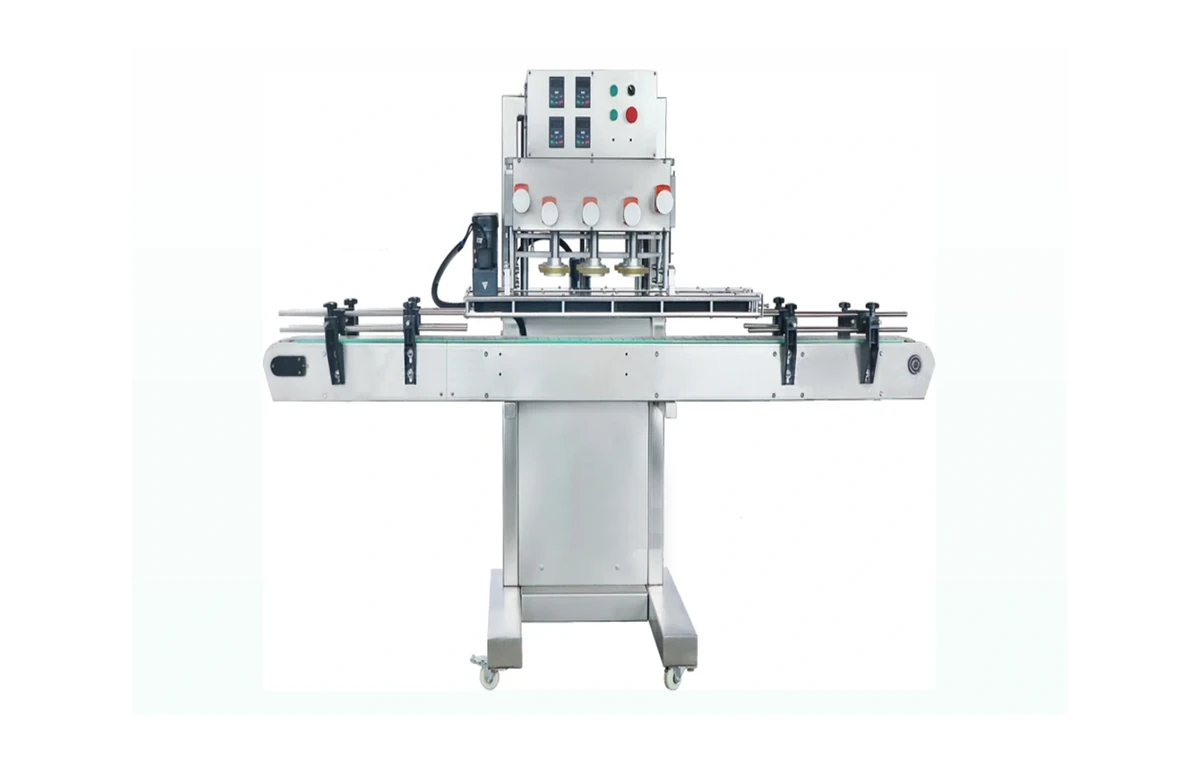
Approve the complete pack
Record container, closure, liner and product lot identities with the machine settings and test timing.
Integrity plan
Define the defect, test and action before the line is set.
| Quality characteristic | What can influence it | Possible evidence |
|---|---|---|
| Correct closure presence and orientation | Cap feed, pick/place, thread start, trigger orientation and bottle presentation | Sensor or vision challenge plus manual inspection of representative packs |
| Application and removal torque | Capper method, bottle grip, liner, thread friction, product contamination and test delay | Approved torque method, equipment, timing, sample size and action limits |
| Liner or induction-seal integrity | Land-area cleanliness, cap seating, liner compatibility, sealing energy and dwell | Site-approved seal inspection or destructive/non-destructive integrity method |
| Leak resistance | Closure, seal, container panel, product, temperature, inversion and transport | Defined orientation, dwell, conditioning and pass/fail observation |
| Openability and dispensing | Torque, tamper band, trigger or pump assembly, user interface and product drying | Approved opening or functional test after representative storage |
| External pack condition | Fill residue, wiping, capping belts, guides, conveyors, label or code operations | Visual standard for clean, undamaged and correctly finished packs |
Representative challenges
Include the conditions most likely to expose a weak pack.
Production challenges
- Smallest and largest container
- Minimum and maximum approved fill
- Product on or near the neck
- Cap or closure lot variation
- Restart after a production pause
- Line-speed and guide-pressure boundaries
Post-production challenges
- Agreed dwell after capping
- Temperature conditioning
- Upright, side or inverted orientation where justified
- Representative handling or transport simulation
- Opening and dispensing function
- Inspection after label and pack-off
Component responsibility
Use closure and container supplier guidance.
The pack-component suppliers should define relevant application, material and test limits. The machinery trial then demonstrates the proposed application method with the actual product and line. Do not assume that one torque figure or leak test is transferable to another bottle, liner, temperature or chemical.
Buyer questions
Questions about chemical pack and closure integrity testing guide.
Is application torque the same as removal torque?
No. The value applied by the capper and the value measured when opening can differ because of liner compression, thread friction, product, temperature and time after capping.
Can an empty bottle be used for the capping trial?
Empty packs can help set handling, but final integrity should be checked with the approved filled condition because weight, panel stiffness, neck contamination and product interaction may change the result.
Does induction sealing replace cap-torque control?
No. The complete closure and sealing process still needs an approved application method, cap seating and integrity checks. Any retorque requirement should be defined by the pack and sealing process owners.
How many packs should be tested?
The site should define a sample plan appropriate to the risk, process and quality system. Use enough representative packs to challenge expected variation; do not invent a universal sample size.
Should trigger sprayers and pumps be tested differently?
They need additional checks for orientation, dip-tube fit, priming, dispensing and leakage. Use the actual component and product under realistic storage and use conditions.
Speak to Lancing
Turn the guidance into a project-specific requirement.
Send the product, pack, output, site and evidence available. Lancing can review the machinery route and identify items that need samples, trials or specialist site input.