Define
Confirm the applicable quantity system, nominal quantity, approved measure and responsible quality authority.
Net contents and process control
Define how the filling machine, reference measurement, target setting, sampling and production records work together.
Quantity-control system
A filler setting does not by itself demonstrate that every production batch meets the organisation’s declared-quantity and quality requirements. The control plan should define the legal or customer basis, reference measurement, target, sampling, container or tare treatment, data record and corrective action.
Overfill should be reduced by understanding process variation rather than moving the target close to a limit without evidence. Product density, temperature, entrained air, container tare, nozzle cut-off, supply conditions and the measurement method can all affect the apparent result.
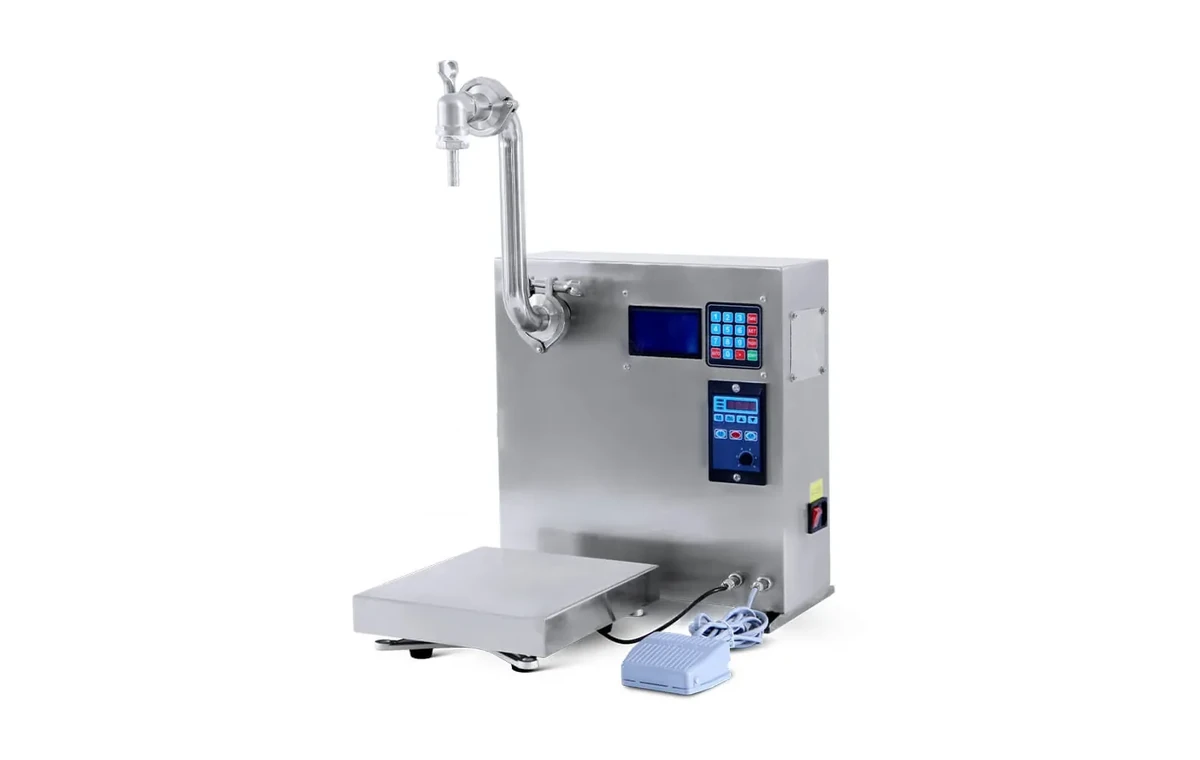
State whether the production decision is based on net weight, volume, level or another approved measure and how the reference result is obtained.
Sources of variation
| Variation source | Possible effect | Control evidence |
|---|---|---|
| Product density and temperature | Weight-to-volume conversion may shift; viscosity and cut-off may change | Defined temperature range, density method and conversion responsibility |
| Aeration and foam | Apparent volume can differ from settled liquid; pumps may deliver variable air content | Supply condition, settling rule and representative foam trial |
| Container tare | Gross-weight checks can hide empty-pack variation | Individual or approved representative tare method and population study |
| Nozzle cut-off and retained product | Drip, stringing or delayed flow changes the pack after the stop signal | Pause/restart challenge and time-defined measurement |
| Bulk-supply condition | Head, pressure, suction or low level may change dose delivery | Full and low supply tests using the intended feed arrangement |
| Reference equipment and method | Measurement uncertainty can be mistaken for machine variation | Suitable calibrated equipment, controlled method and trained operator |
Control sequence
Confirm the applicable quantity system, nominal quantity, approved measure and responsible quality authority.
Measure machine, product, pack and reference-method variation across the operating envelope.
Choose a controlled target and action limits that account for the approved process capability.
Record production checks, trends, adjustments, rejects and investigation or hold decisions.
UK packaged-goods context
GOV.UK explains minimum and average systems for packaged goods and notes that equipment and records must be suitable for the chosen control system. The rules apply to specified sealed package ranges and the packer is responsible for compliance. Review current GOV.UK packaged-goods guidance and seek Trading Standards advice for the specific operation.
Buyer questions
No. The site still needs an approved quantity-control method, suitable reference equipment, records and action rules appropriate to its products and legal obligations.
It depends on the product, pack, fill size, density behaviour, throughput and required control method. Both routes should be compared using representative trials and an agreed reference measure.
Identify and control the sources of variation, verify the measurement system, use appropriate targets and monitor trends. Do not lower the target without evidence that underfill risk remains controlled.
Define a consistent timing rule that reflects drip, stringing, foam settling and the site’s quality method. The same rule should be used during trials, acceptance and production checks.
Yes, where suitable. Define whether it is a process monitor, a reject control or part of the legal quantity-control system, and agree calibration, challenge and record requirements.
Speak to Lancing
Send the product, pack, output, site and evidence available. Lancing can review the machinery route and identify items that need samples, trials or specialist site input.
Calibration and production verification
Changing a filler set point is not the same as calibrating an instrument, and a successful machine check is not by itself a complete packaged-quantity control system. The project file should state what is being adjusted, what independent reference is used, the product and pack condition, and how routine production results are monitored.
| Evidence layer | Purpose | Typical record |
|---|---|---|
| Reference equipment status | Show that the check scale, measure or other reference is suitable and within its controlled status. | Equipment identity, capacity, resolution, status/date and pre-use check. |
| Machine configuration | Identify the recipe, head, tube/cylinder/pump arrangement, cut-off and product-supply condition used. | Recipe revision, component references, settings and approved operating envelope. |
| Head-by-head verification | Detect channel or nozzle differences hidden by a combined average. | Individual results for each head at the agreed low, normal and high challenge states. |
| Production quantity control | Show that released packs meet the business, customer and applicable legal method. | Sampling plan or 100% check, acceptance rules, corrective action and retained records. |
| Post-intervention release | Confirm that maintenance or changeover has not altered the approved process. | Parts changed, settings restored, checks repeated, deviations and authorised release. |
Density, temperature, foam, evaporation, container tare and measurement timing can all affect the comparison between a machine set in volume and a reference check made by weight. State the conversion method and product condition rather than assuming a fixed relationship.
For packaged goods in the statutory scope, GOV.UK explains the minimum and average systems and the need for suitable equipment and records. The packer remains responsible for confirming the applicable method and should seek Trading Standards or competent advice where needed.
The detailed chemical filling machine calibration and verification guide provides a reusable challenge sequence and return-to-service checklist.