Use clear equipment references
Match document names, drawing tags, component labels and machine references to the installed equipment.
Project evidence file
Create a controlled document register that supports design review, acceptance, operation, maintenance and future change.
Document register
Documentation is part of the machinery scope, not an afterthought. A controlled register should identify each document, supplier, reviewer, planned issue stage, required format and final acceptance status.
The exact legal and technical file obligations depend on the equipment, supply arrangement and applicable legislation. This guide focuses on buyer information needed to operate, maintain and control a chemical filling line; it does not replace competent conformity or legal advice.
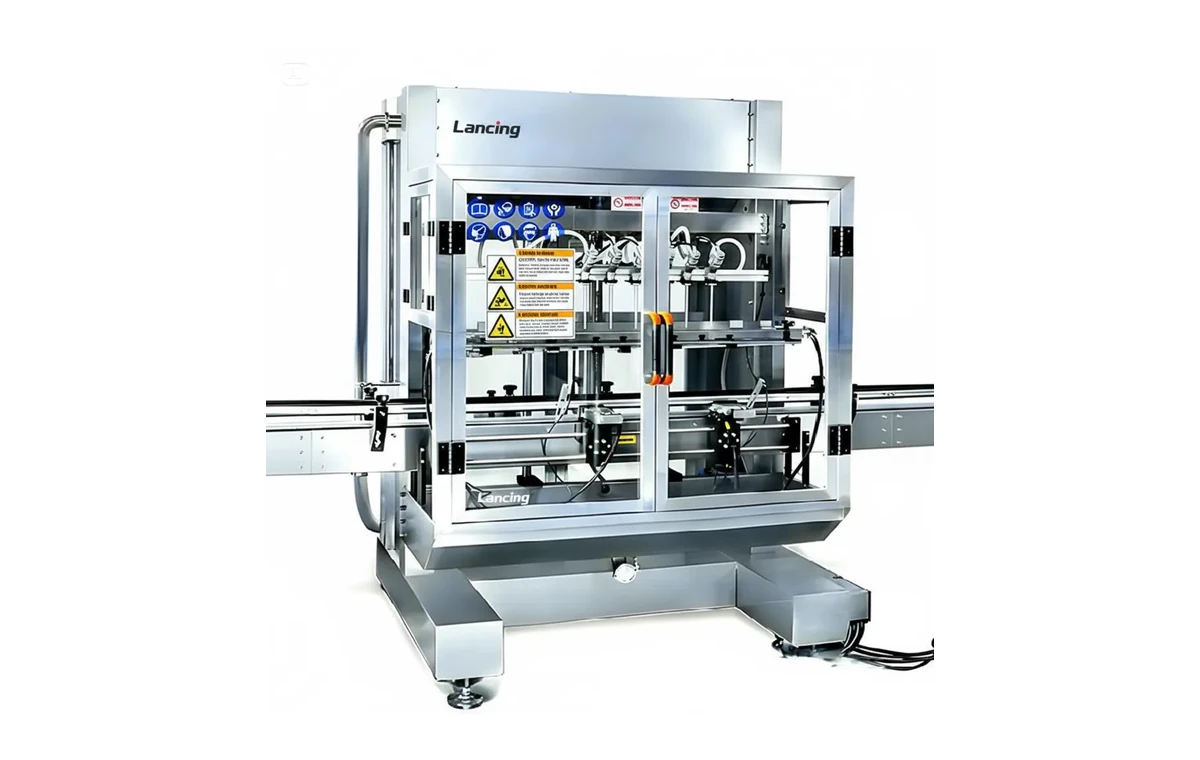
Retain approved drawings, material schedules, settings, programs, recipes and change history so the installed machine can be understood later.
Minimum project file
| Document group | Useful contents | Issue stage |
|---|---|---|
| Requirements and scope | URS, product/pack matrix, interfaces, assumptions, exclusions, deviations and responsibility schedule | Enquiry, order and approved design baseline |
| Design and layout | General arrangement, process flow, utility schedule, access, guarding, containment and connected equipment | Design review and as-built issue |
| Product-contact parts | Tank, pump, meter, valve, hose, seal, fitting and nozzle materials with approved part references | Before build approval and final handover |
| Controls and software | Functional description, I/O or interface information, alarms, recipes, access levels, backups and network settings | Design review, FAT and as-built backup |
| Safety and conformity | Supplier declarations, risk information, protective-device data, instructions and site-interface assumptions as applicable | Before installation and final handover |
| Operation and maintenance | Start-up, shutdown, cleaning, changeover, inspection, lubrication, fault finding, spare and consumable parts | Draft before FAT; final before handover |
| Verification records | Trial, FAT, calibration or reference checks, SAT, training, deviations and open-action closure | Generated through test and commissioning |
| Lifecycle records | Approved recipes, maintenance history, replacements, software versions and management-of-change decisions | Owned and maintained by the user after handover |
Document quality
Match document names, drawing tags, component labels and machine references to the installed equipment.
Record revision, date, approval and change description; identify the current as-built issue.
Define which documents need PDF, native source, machine backup or structured data formats.
Keep controlled copies outside the machine and define who can restore or modify programs and recipes.
Use the final cleaning, changeover, fault and maintenance procedures during training.
Use management of change so drawings, parts, settings and instructions continue to describe the installed line.
Evidence ownership
The supplier may create machine documents, but the user normally owns site procedures, risk assessments, quality methods, training governance and lifecycle records. Record this split in the URS and handover plan so critical evidence is not assumed to be provided by another party.
Buyer questions
No. A manual is important, but the project may also need approved drawings, materials schedules, controls information, settings, backups, test records, training evidence and open-action closure.
That depends on the commercial and technical scope. Define the required backups, access, recovery support and intellectual-property boundaries before order rather than assuming source code is included.
Review documents early enough to influence the design. Waiting until dispatch can make it difficult to correct missing interfaces, cleaning details or maintenance access.
The user organisation should assign ownership after handover. Any supplier modification should return updated information through the agreed change process.
Critical and wear parts should be identifiable so replacements retain the approved material, rating and function. Review substitutions through management of change where they can affect the process.
Speak to Lancing
Send the product, pack, output, site and evidence available. Lancing can review the machinery route and identify items that need samples, trials or specialist site input.