Product
Is it corrosive, flammable, foamy, viscous, abrasive, shear-sensitive or difficult to clean?
Foam reduction
Guide to reducing foaming when filling detergents, surfactants and cleaners by adjusting fill method, nozzle control and speed.
Buyer guide
This page is written for manufacturers comparing chemical filling machinery. It focuses on the commercial details that normally decide the specification: product behaviour, container format, closure type, target output, changeover and whether the machine is part of a wider line.
The right equipment can be simple, but the enquiry should still give enough detail for compatibility, accuracy, handling and future growth to be reviewed properly.
Specification details
The best answers are usually found by working through product, pack and output in that order.
Is it corrosive, flammable, foamy, viscous, abrasive, shear-sensitive or difficult to clean?
What are the container dimensions, neck finish, fill volume range, closure and label position?
How many containers per hour are required and how often does the line change product or pack size?
Is the requirement filling only, or filling with capping, labelling, coding, conveyors and guarding?
Example machinery
These examples show the kind of equipment areas that may need reviewing.
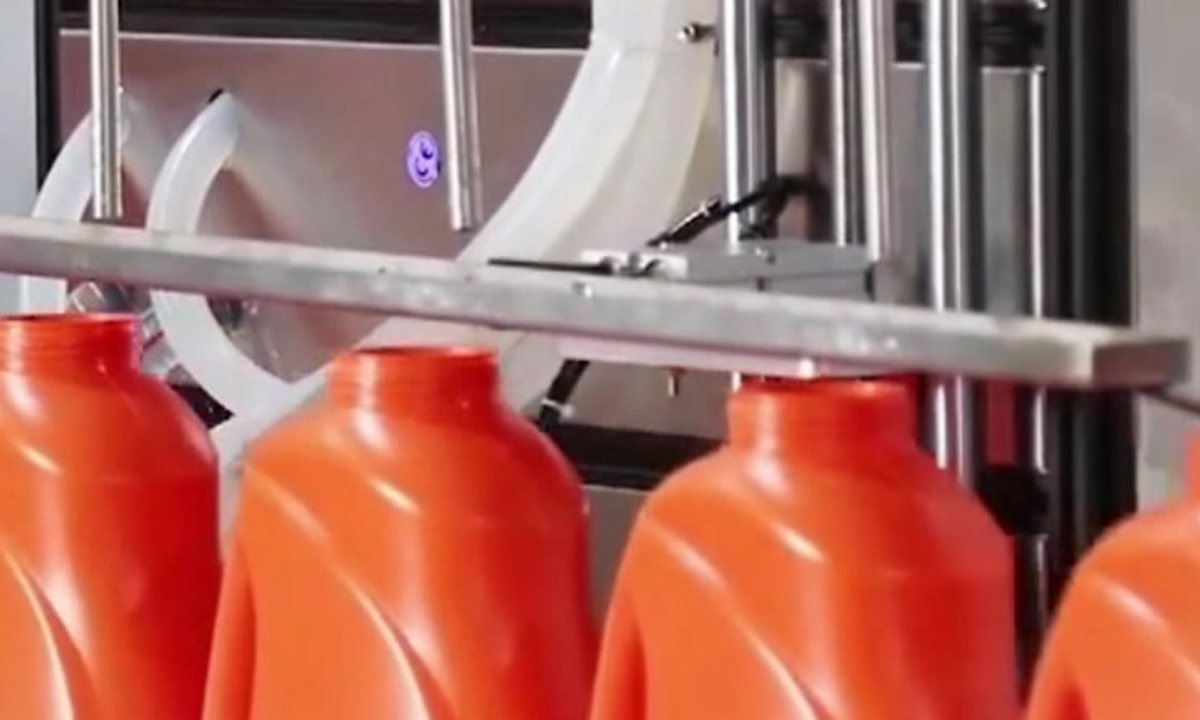
Guide to reducing foaming when filling detergents, surfactants and cleaners by adjusting fill method, nozzle control and speed.
Ask for advice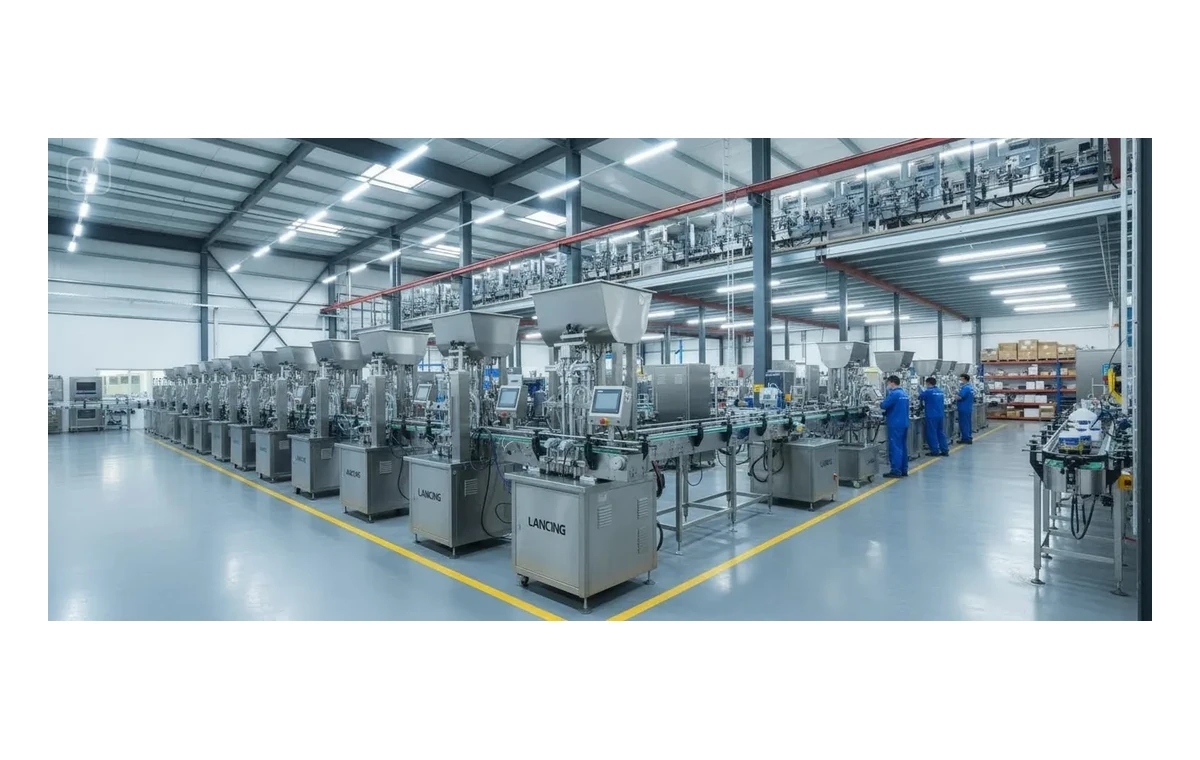
Many projects need the filler specified alongside caps, labels, conveyors and operator access.
View line options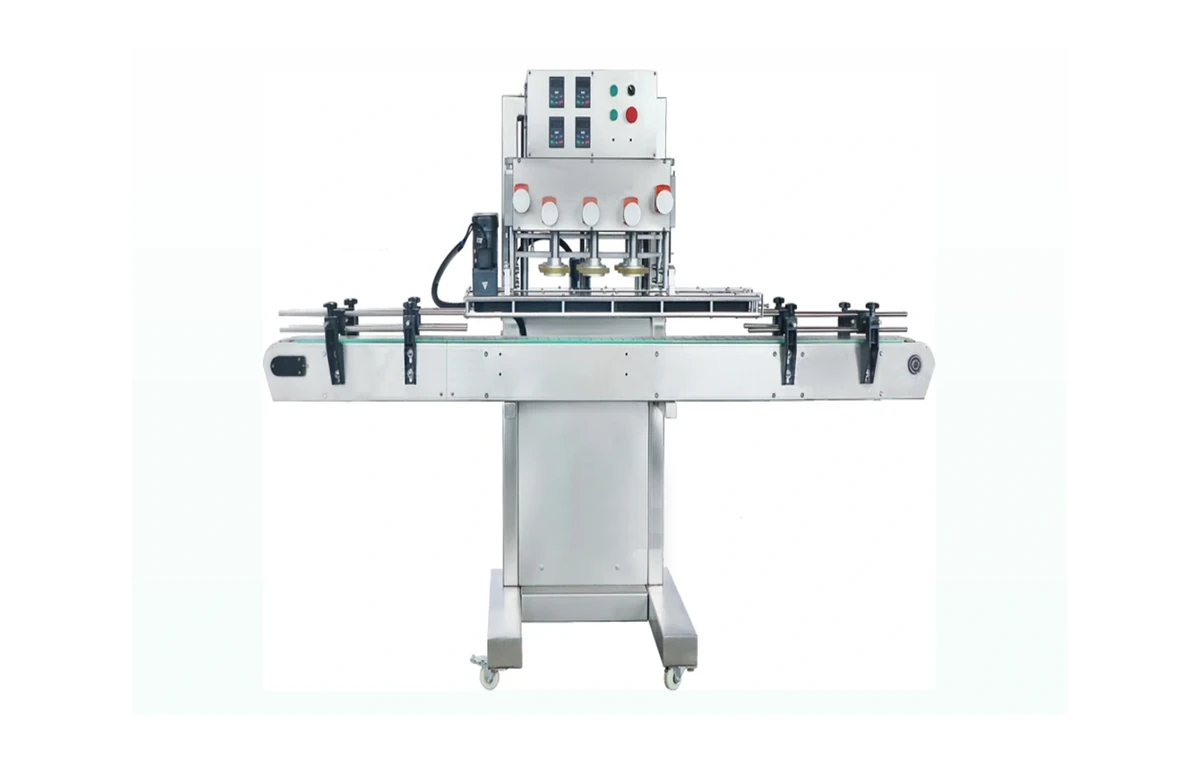
Closure style, torque, trigger orientation and cap feeding can decide whether a line runs smoothly.
View cappingFAQ
Prepare product data, SDS where relevant, viscosity, fill volume, container dimensions, closure type, target output, batch size and site constraints.
Often it can, but compatibility, cleaning, changeover and container format need to be checked before the specification is confirmed.
Yes. Closure type, torque, trigger orientation, bottle stability and line speed can affect filler selection and conveyor layout.
Speak to Lancing
Send the product, fill volume, container, closure and target output. Include SDS and compatibility notes where relevant.
Diagnose before slowing down
Foam is influenced by formulation, temperature, product age, bulk agitation, suction conditions, pump action, hose geometry, valves, nozzle velocity and impact inside the container. Observe the process from bulk source to settled pack. Slowing the filler may mask one cause while leaving air entrainment or poor product supply unresolved.
| Observed symptom | Possible causes to investigate | Useful controlled test |
|---|---|---|
| Foam appears before the nozzle | Bulk agitation, return-line splash, suction leak, vortexing, low product level or pump cavitation | Compare samples at bulk source and nozzle; repeat at high/low level and after a production pause |
| Foam starts on impact in the pack | High initial velocity, nozzle too high, narrow neck or liquid striking a shoulder/handle feature | Compare nozzle depth, angle, first-stage flow and diving profile in the real container |
| Foam increases at the end of fill | Top-off too fast, nozzle leaving liquid early, air ingestion or excessive headspace turbulence | Use staged flow and record foam height, settled fill and total cycle |
| Different heads foam differently | Unequal hose length, valve timing, pump setting, air leak or nozzle geometry | Swap components systematically and record head-by-head flow and foam |
| Foam changes through the shift | Temperature, formulation, recirculation, aeration or bulk level change | Record product temperature and condition with each sample and repeat at defined intervals |
Nozzle and fill profile
A diving nozzle can start near the bottom and rise with the liquid surface, reducing free-fall and impact. It needs sufficient neck clearance and a controlled path that avoids contact with the container. Agree whether the nozzle is submerged and, if so, how product on the outside of the nozzle is controlled during withdrawal.
Two-stage or multi-stage filling can combine a slower start, faster middle and controlled top-off. The transitions should be linked to repeatable time, volume, weight or nozzle position. Record the settled fill and total cycle; an attractive foam level that requires long waiting time may not meet the production target.
Diaphragm, piston, gear, lobe, peristaltic and other routes can each influence pulsation and aeration differently. Check suction line size, bends, filters, tank outlet, return lines and pressure. A stable flooded supply can behave differently from a long suction lift. Test at the lowest permitted bulk level and after the longest normal pause.
Factory acceptance
Use the formulation and temperature most likely to foam within the approved production range. Run the lowest and highest fill, the fastest intended recipe, low bulk level, pause/restart and any product changeover. Include downstream capping because foam or residue at the neck can affect closure engagement and label cleanliness. Water can be used for preliminary setup, but it should not be the sole acceptance product for a known foamy chemical.
Locate where air and foam first appear in the process.
Adjust product supply, pump, nozzle and staged flow one variable at a time.
Record foam, settled fill, cleanliness, cycle and repeatability.
Document limits, approved settings and restart/changeover checks.
Foam-control FAQ
Water does not reproduce surfactant foam, viscosity, density, wetting, pump aeration or cut-off. It is useful for setup but not sufficient evidence for a foamy production formulation.
Sometimes this reduces turbulence, but it can coat the nozzle exterior and affect withdrawal. Test submerged and non-submerged profiles with the actual container and cleanliness requirement.
Formulation changes belong to the product owner and may affect product performance, labelling or regulatory status. Machine controls should be evaluated without assuming an unapproved additive change.
Define whether the acceptance measure is mass, volume after a stated settling time or another method. Record temperature, density and timing so results are comparable.
Possible causes include vortexing, suction air, reduced head, recirculation splash or pump cavitation. Include low-level operation in the trial and review the bulk vessel outlet and feed path.
Not always. Lower nozzle velocity can help, but a longer cycle may allow more pump pulsation or air ingestion. Find the source and use a controlled fill profile rather than applying one global speed reduction.
Foam-control evidence
Send the product, pack, fill range, current foam symptom, supply arrangement and target output.
Describe the detergent, filling conditions and the foam behaviour seen in production. Share compatibility information for the wetted parts and seals. Ask how nozzle movement, flow control and the filling sequence will be assessed on the actual product, including the condition of the bottle neck before capping.
Related guidance: Detergents and cleaners · View line options →