Product
Is it corrosive, flammable, foamy, viscous, abrasive, shear-sensitive or difficult to clean?
ATEX planning
What to prepare for an ATEX filling machine discussion, including product data, site zoning, container format and line controls.
Buyer guide
This page is written for manufacturers comparing chemical filling machinery. It focuses on the commercial details that normally decide the specification: product behaviour, container format, closure type, target output, changeover and whether the machine is part of a wider line.
The right equipment can be simple, but the enquiry should still give enough detail for compatibility, accuracy, handling and future growth to be reviewed properly.
Specification details
The best answers are usually found by working through product, pack and output in that order.
Is it corrosive, flammable, foamy, viscous, abrasive, shear-sensitive or difficult to clean?
What are the container dimensions, neck finish, fill volume range, closure and label position?
How many containers per hour are required and how often does the line change product or pack size?
Is the requirement filling only, or filling with capping, labelling, coding, conveyors and guarding?
Example machinery
These examples show the kind of equipment areas that may need reviewing.
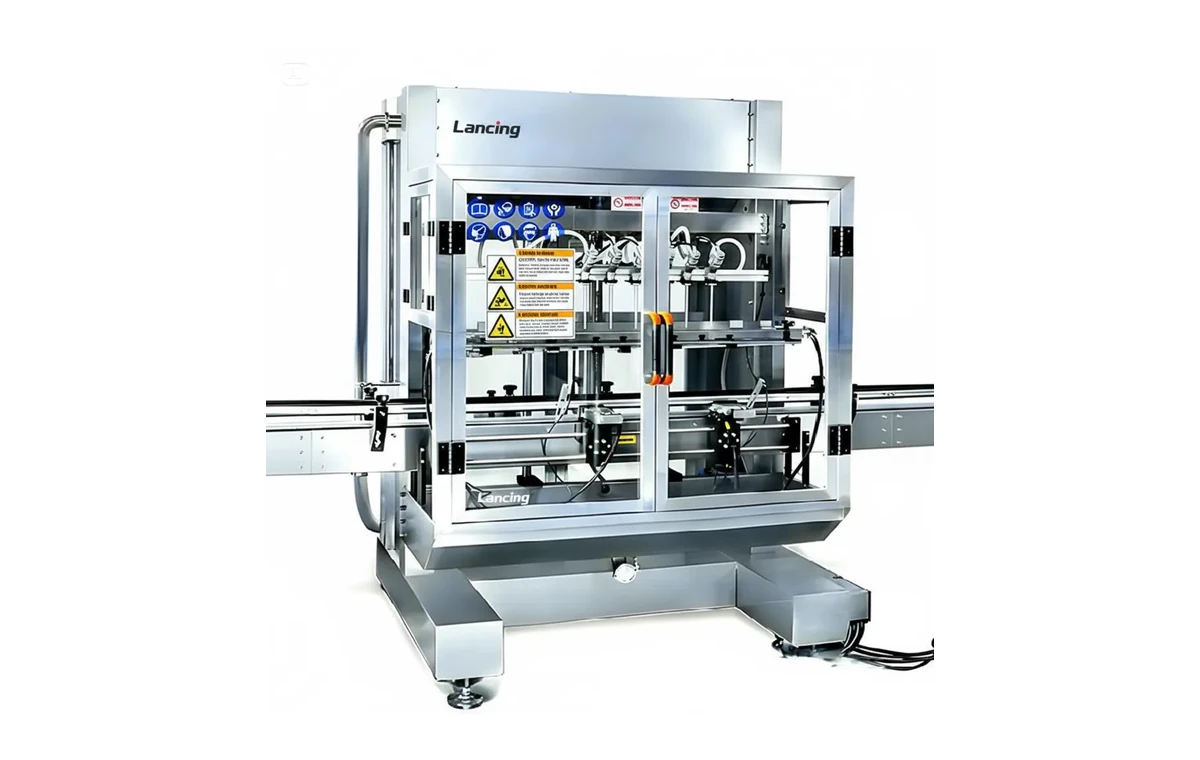
What to prepare for an ATEX filling machine discussion, including product data, site zoning, container format and line controls.
Ask for advice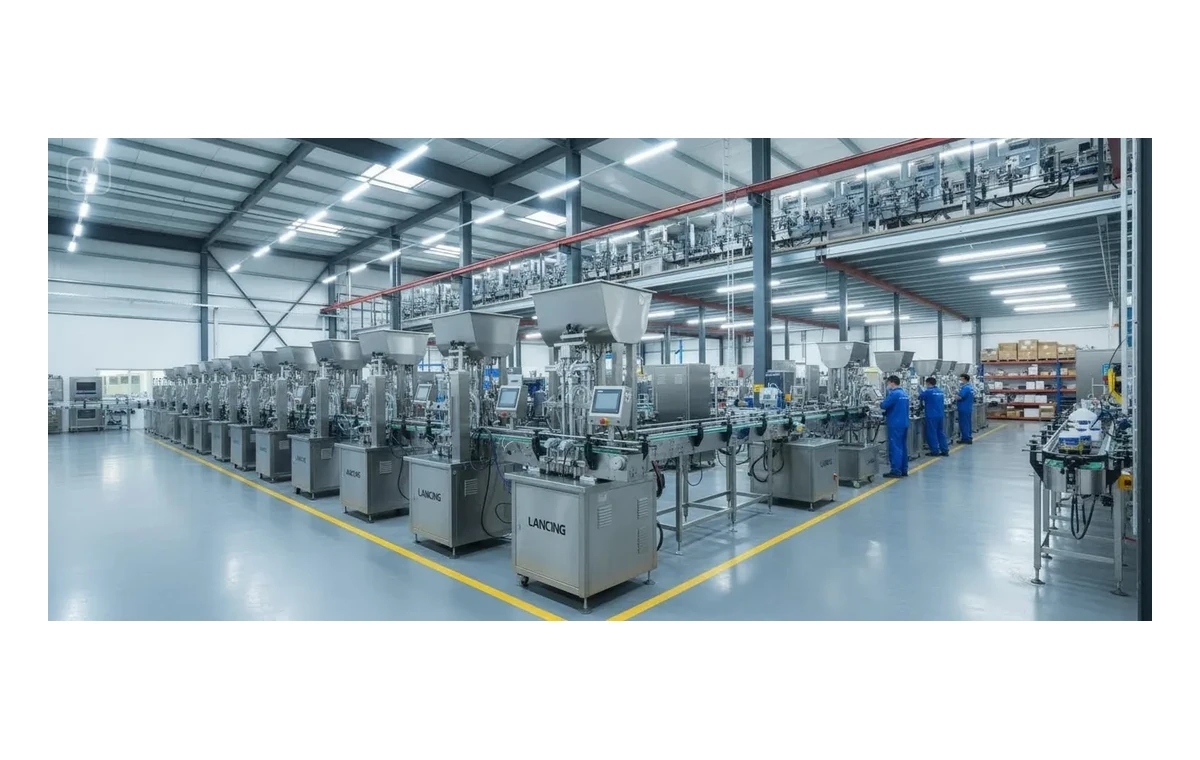
Many projects need the filler specified alongside caps, labels, conveyors and operator access.
View line options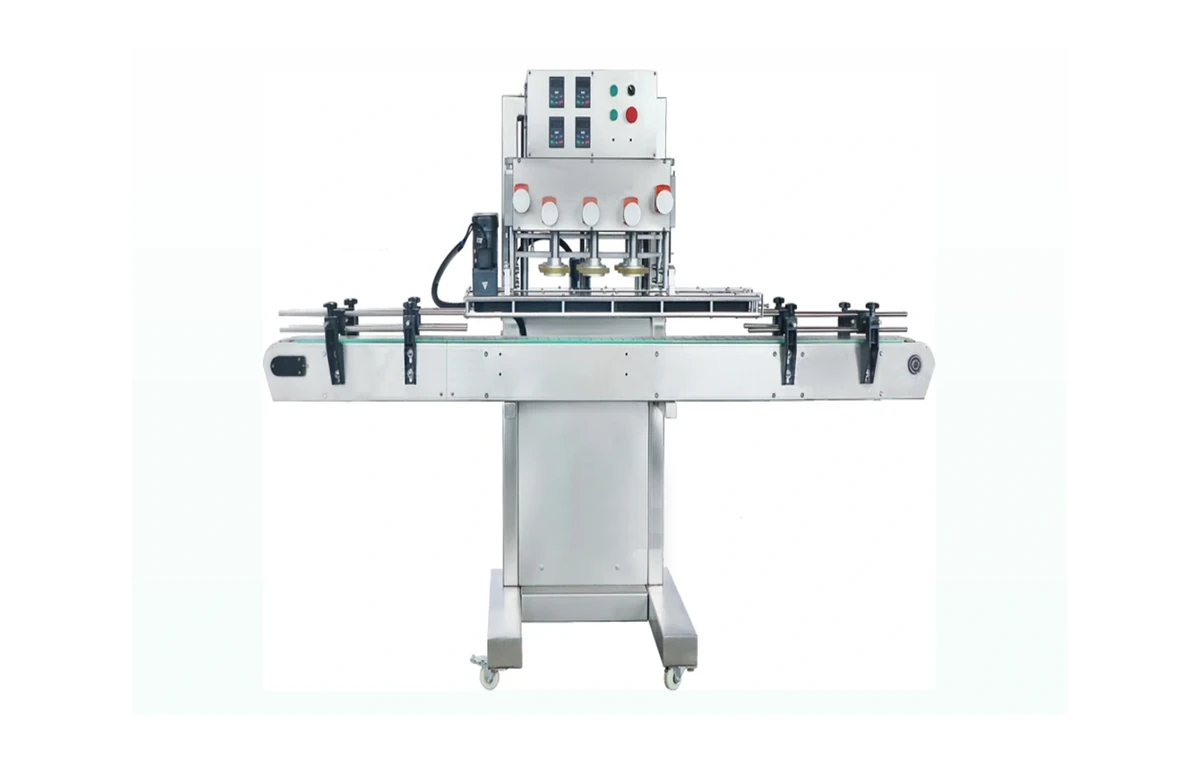
Closure style, torque, trigger orientation and cap feeding can decide whether a line runs smoothly.
View cappingFAQ
Prepare product data, SDS where relevant, viscosity, fill volume, container dimensions, closure type, target output, batch size and site constraints.
Often it can, but compatibility, cleaning, changeover and container format need to be checked before the specification is confirmed.
Yes. Closure type, torque, trigger orientation, bottle stability and line speed can affect filler selection and conveyor layout.
Speak to Lancing
Send the product, fill volume, container, closure and target output. Include SDS and compatibility notes where relevant.
Guide scope
HSE states that DSEAR requires employers to eliminate or control risks from dangerous substances and to classify areas where explosive atmospheres may occur into zones. Equipment intended for potentially explosive atmospheres has separate supply requirements. The machine, site, process, ventilation, static control and operating procedures must be coordinated by competent parties.
Project information pack
Start with a current SDS and process description. HSE notes that an SDS provides hazard information but is not itself a risk assessment. The competent workplace assessment should define release sources, likelihood and duration, ventilation, zone extent and the basis for selecting electrical and non-electrical equipment.
Responsibility matrix
| Decision or deliverable | Project question | Typical record |
|---|---|---|
| DSEAR risk assessment | Who assesses the workplace process and controls dangerous-substance risks? | Employer’s competent assessment and action plan |
| Hazardous-area classification | Who defines zone, extent, group/class and release basis? | Classification drawing and supporting calculation/report |
| Machine intended use | What product, zone, category, ambient/process conditions and line boundary apply? | Approved user-requirement and equipment specification |
| Equipment conformity | Who selects the applicable regulations, standards, assessment route, marking and declaration? | Technical documentation, certificates/declarations and equipment schedule |
| Installation | Who verifies wiring, glands, bonding, extraction, mechanical installation and inspection? | Installation drawings, inspection/test records and as-built file |
| Operation and maintenance | Who controls training, permits, cleaning, inspection, repair and changes? | Procedures, training records, inspection schedule and management of change |
Machine design questions
Do not limit the review to motors and control panels. Bearings, friction, impact, hot surfaces, static, mechanical sparks, valves, sensors, heaters, printers and mobile equipment may affect the intended installation. Define the safe response to loss of air, power, extraction, earthing continuity or product supply.
List the items to be bonded, connection points, expected resistance or verification criterion, test method and permissive/interlock logic. Where receiving containers are non-conductive, obtain specialist advice; attaching a cable does not automatically control charging within an insulating liquid/container system.
Specify capture location, required airflow or pressure condition, compatible duct materials, monitoring, discharge route and machine response to failure. Define bund or tray capacity from the credible release basis and provide safe recovery or drainage. A tray that can overflow or drain to an uncontrolled location is not a complete spill-control design.
Acceptance testing
FAT can verify the supplied configuration, documented markings, controls, alarms, interlocks and representative filling performance. It should include the specified response to a missing earth connection or extraction permissive where those functions are part of the supply. SAT must then verify the actual installed utilities, bonding, extraction, zone interfaces, equipment inspection, operating procedures and training. Do not sign off site controls that were not available or measurable at the factory.
ATEX requirements FAQ
DSEAR addresses workplace risks from dangerous substances, including zoning and controls. Equipment-supply legislation addresses equipment and protective systems intended for potentially explosive atmospheres. A project may need both strands coordinated.
The employer/site should provide a competent hazardous-area classification for the intended process. A machinery supplier can use that information but should not invent a zone from a product name.
No. Product marking relates to applicable product-supply requirements for the equipment. Safe installation and operation still depend on the site assessment, utilities, extraction, earthing, procedures and maintenance.
That phrase is not a complete specification. The intended zone, category, group/class, conditions, marking and documentation need to be agreed for the actual project.
Yes where relevant, together with operating temperature and process details. It provides important hazard information, but the site must still complete its own risk assessment.
They may be if they are inside the classified area or affect releases, ventilation, container closure or safe control. Review the complete line and zone extent rather than the filler alone.
Use ATEX Filling Machines UK for the Lancing specialist route and HSE’s current ATEX/DSEAR guidance for workplace duties.
ATEX specification pack
Include the intended product, packs, output, extraction, bonding/earthing, containment and equipment boundary.