Product
Is it corrosive, flammable, foamy, viscous, abrasive, shear-sensitive or difficult to clean?
Automation choice
Compare semi-automatic and automatic chemical filling machines by output, labour, changeover, container size and line integration needs.
Buyer guide
This page is written for manufacturers comparing chemical filling machinery. It focuses on the commercial details that normally decide the specification: product behaviour, container format, closure type, target output, changeover and whether the machine is part of a wider line.
The right equipment can be simple, but the enquiry should still give enough detail for compatibility, accuracy, handling and future growth to be reviewed properly.
Specification details
The best answers are usually found by working through product, pack and output in that order.
Is it corrosive, flammable, foamy, viscous, abrasive, shear-sensitive or difficult to clean?
What are the container dimensions, neck finish, fill volume range, closure and label position?
How many containers per hour are required and how often does the line change product or pack size?
Is the requirement filling only, or filling with capping, labelling, coding, conveyors and guarding?
Example machinery
These examples show the kind of equipment areas that may need reviewing.
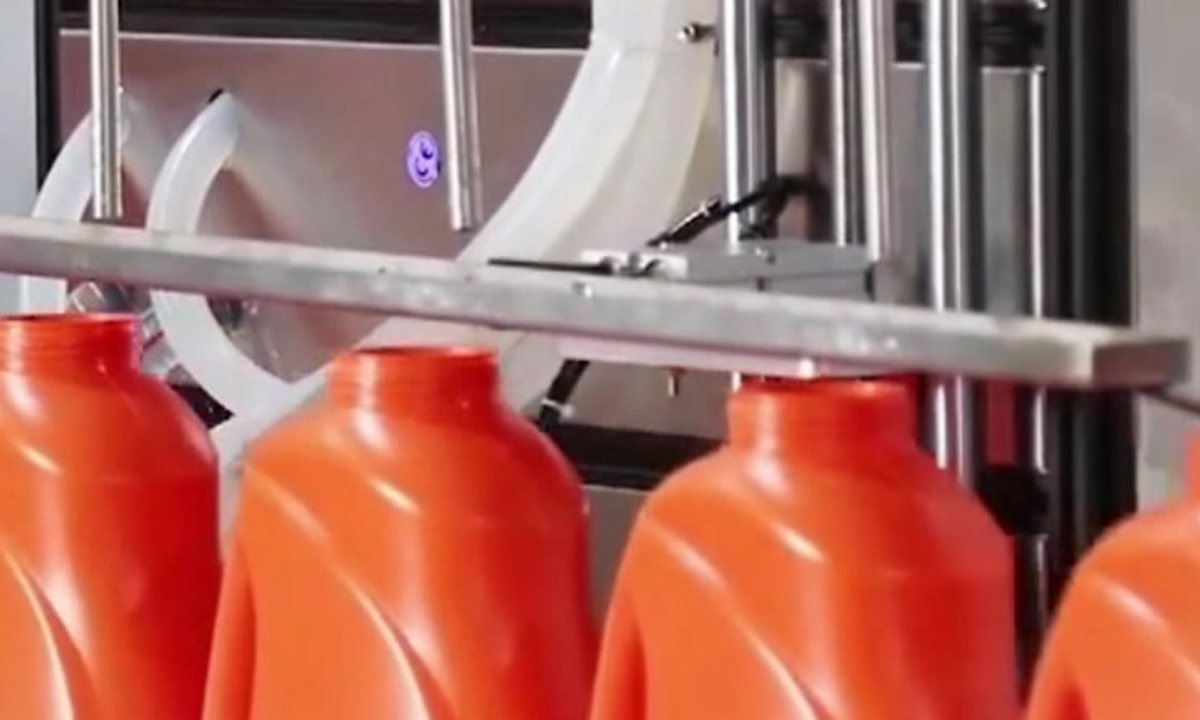
Compare semi-automatic and automatic chemical filling machines by output, labour, changeover, container size and line integration needs.
Ask for advice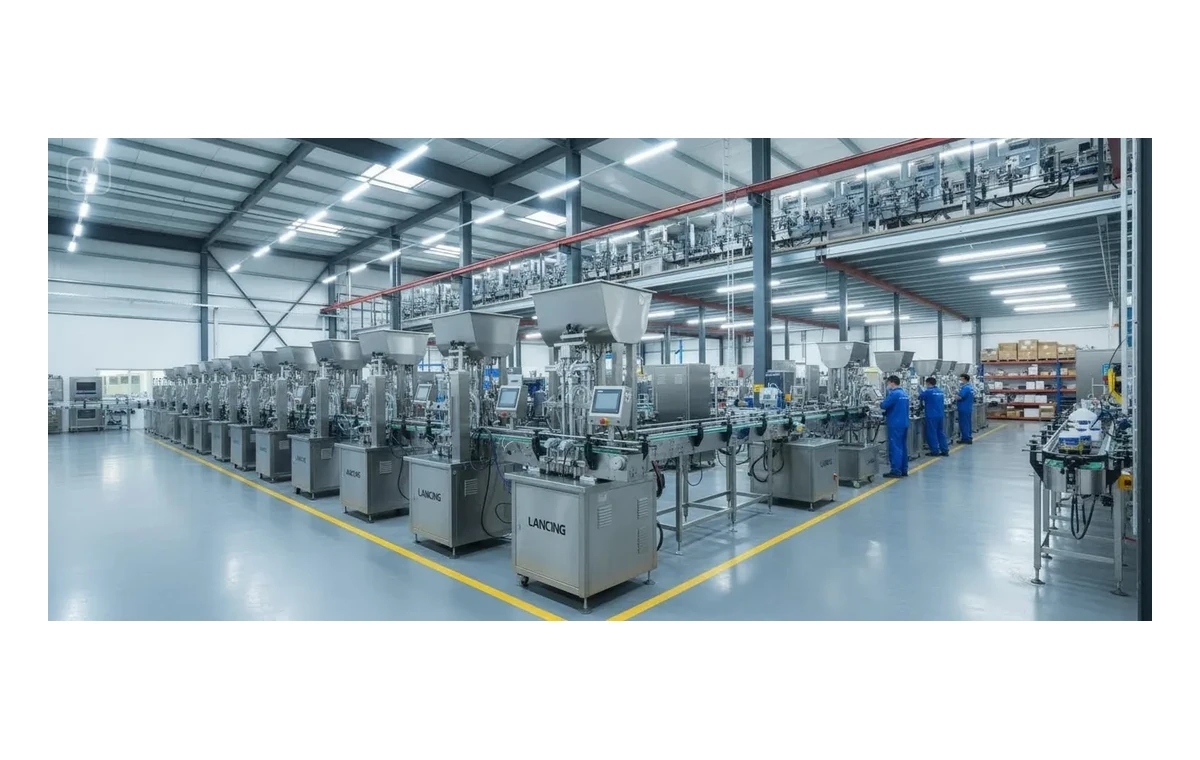
Many projects need the filler specified alongside caps, labels, conveyors and operator access.
View line options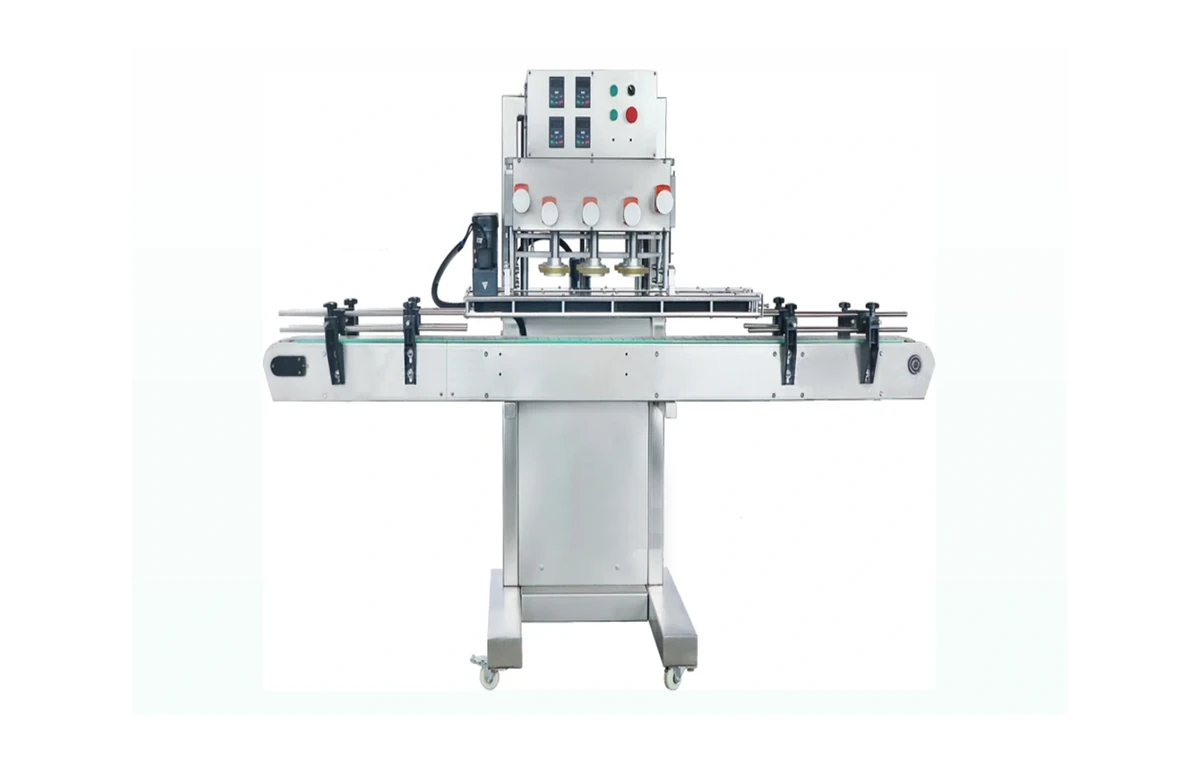
Closure style, torque, trigger orientation and cap feeding can decide whether a line runs smoothly.
View cappingFAQ
Prepare product data, SDS where relevant, viscosity, fill volume, container dimensions, closure type, target output, batch size and site constraints.
Often it can, but compatibility, cleaning, changeover and container format need to be checked before the specification is confirmed.
Yes. Closure type, torque, trigger orientation, bottle stability and line speed can affect filler selection and conveyor layout.
Speak to Lancing
Send the product, fill volume, container, closure and target output. Include SDS and compatibility notes where relevant.