Product condition
How do temperature, viscosity and density affect chemical filling?
Temperature can change viscosity, density, foam, flow and cut-off, so the same machine setting may not produce the same net result across the production range. The specification should define the product condition at filling, the declared quantity method and the operating extremes that must be demonstrated during trials and acceptance.
- Answer-first chemical filling guidance
- Project variables and evidence made explicit
- Final suitability depends on product and site review
Direct answer
Separate the measured dose from the condition of the product.
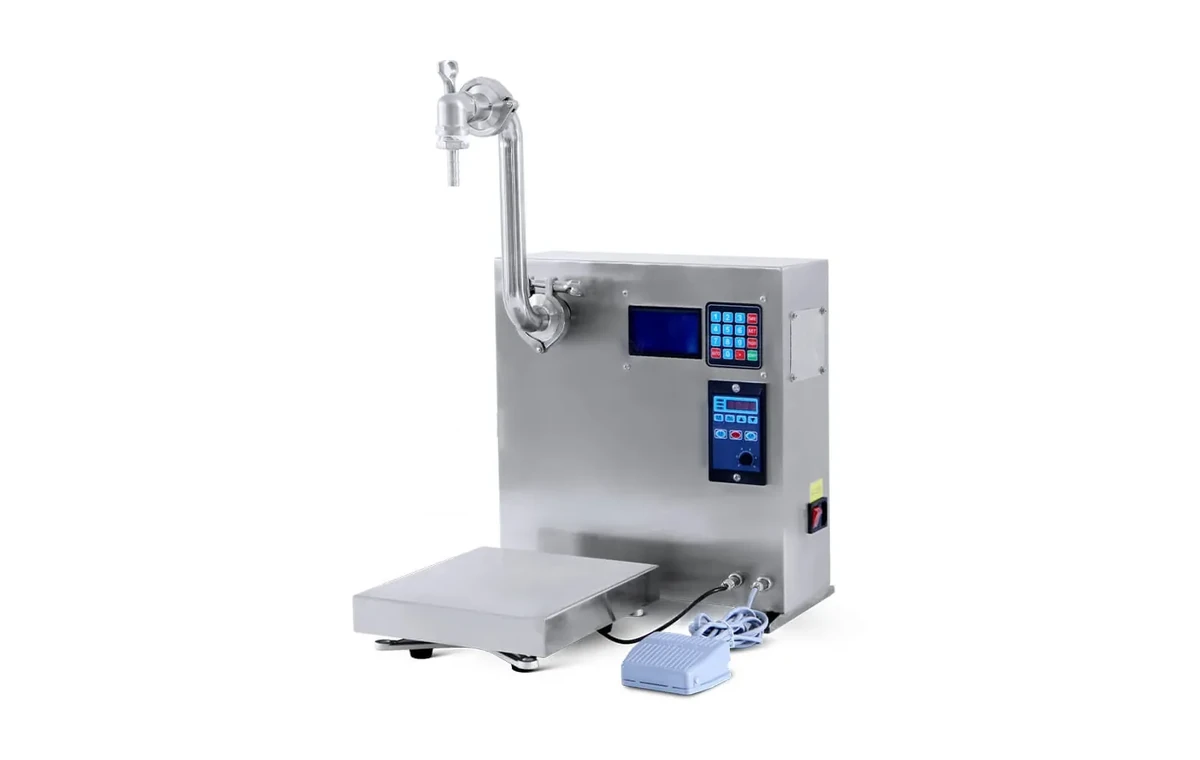
Volumetric systems measure or displace volume, while weigh systems measure the increase in mass on a scale. Neither description alone proves the finished pack will comply or run cleanly. Density links volume and mass; viscosity affects flow and pressure; temperature can change both; and aeration can make an apparently full volume contain less liquid mass.
Define whether the declared quantity is by volume or weight, how the production process checks it, and which product temperature and batch conditions represent normal and worst-case filling.
Use representative evidence
Approve the machine or process against the actual product, pack, operating range and site interfaces. Record assumptions and what must be confirmed by trial.
Decision table
Product changes and the filling evidence they can affect.
| Variable | Possible process effect | Evidence to collect |
|---|---|---|
| Temperature | Changes viscosity, density, foam, vapour and drain or cut-off behaviour | Temperature at source and nozzle, fill result and settling behaviour across the approved range |
| Viscosity | Changes pump load, flow profile, nozzle velocity, stringing and cycle time | Viscosity or agreed proxy at fill condition, pressure or speed settings and cut-off result |
| Density | Changes mass delivered by a volumetric dose and can reveal formulation or temperature variation | Density method, sample condition and link between set volume and net mass |
| Aeration or entrained gas | Creates unstable volume, foam and delayed collapse | Mixing and transfer condition, settling time, apparent and final quantity |
| Settling or separation | Changes concentration and flow during the batch | Source-vessel homogeneity, sampling points, agitation or recirculation method |
Decision sequence
Build product condition into the acceptance method.
Define the production envelope
Record minimum, normal and maximum temperature, expected viscosity or flow behaviour, density range and batch age.
Choose the quantity basis
State net mass or volume, the reference equipment, container or tare treatment and sample sequence.
Test the challenging conditions
Use the coldest, warmest, most aerated or most viscous credible condition rather than only the easiest sample.
Separate adjustment from compensation
Define which settings may be changed, by whom and whether a new recipe or approval is required.
Check the finished pack
Include foam collapse, neck cleanliness, closure, leakage, label and any later quantity check.
Authoritative context
Quantity-control responsibility
For packaged goods within the relevant scope, the packer is responsible for the quantity-control system, checks and records. The machine should support the approved method but does not replace it. See current GOV.UK packaged-goods guidance and obtain Trading Standards advice where needed.
Avoidable errors
Common specification mistakes.
- Giving viscosity without the temperature or test method.
- Quoting a volumetric fill tolerance when the product is controlled by net mass.
- Testing a freshly mixed sample when production product has settled or aerated.
- Using one density value for formulations or temperatures that vary.
- Treating weigh filling as independent of flow, drips, vibration or tare behaviour.
Buyer questions
Related questions about how do temperature, viscosity and density affect chemical filling.
Why can a volumetric fill change in net mass?
A volumetric filler can deliver the same measured volume while net mass changes because density changes with formulation, temperature or entrained gas. If the product is declared or reconciled by weight, density must be measured or controlled and the production quantity method must account for the variation.
When should product temperature be controlled?
Control or closely monitor product temperature when it materially changes viscosity, density, foam, vapour, pump load, nozzle cut-off or pack behaviour. The control point may be the source vessel, transfer line or filling area; the correct method depends on the process and product stability.
How should acceptance tests cover density change?
Test at the approved temperature and formulation extremes, record density with the method and sample condition, and compare the machine result using the same net-quantity method used in production. Include batch settling, aeration and normal source-level changes where they affect the result.
Does weigh filling remove every product-condition risk?
No. Weigh filling reduces dependence on density for the delivered mass, but viscosity, foam, drips, vibration, tare variation, nozzle contact, settling and product-supply instability can still affect cycle time and the accepted pack. The complete duty still needs representative testing.
Speak to Lancing
Define the product at the condition it will actually be filled.
Send density and viscosity information with test conditions, fill-temperature range, batch and transfer method, declared quantity basis, pack samples and the production checking method.