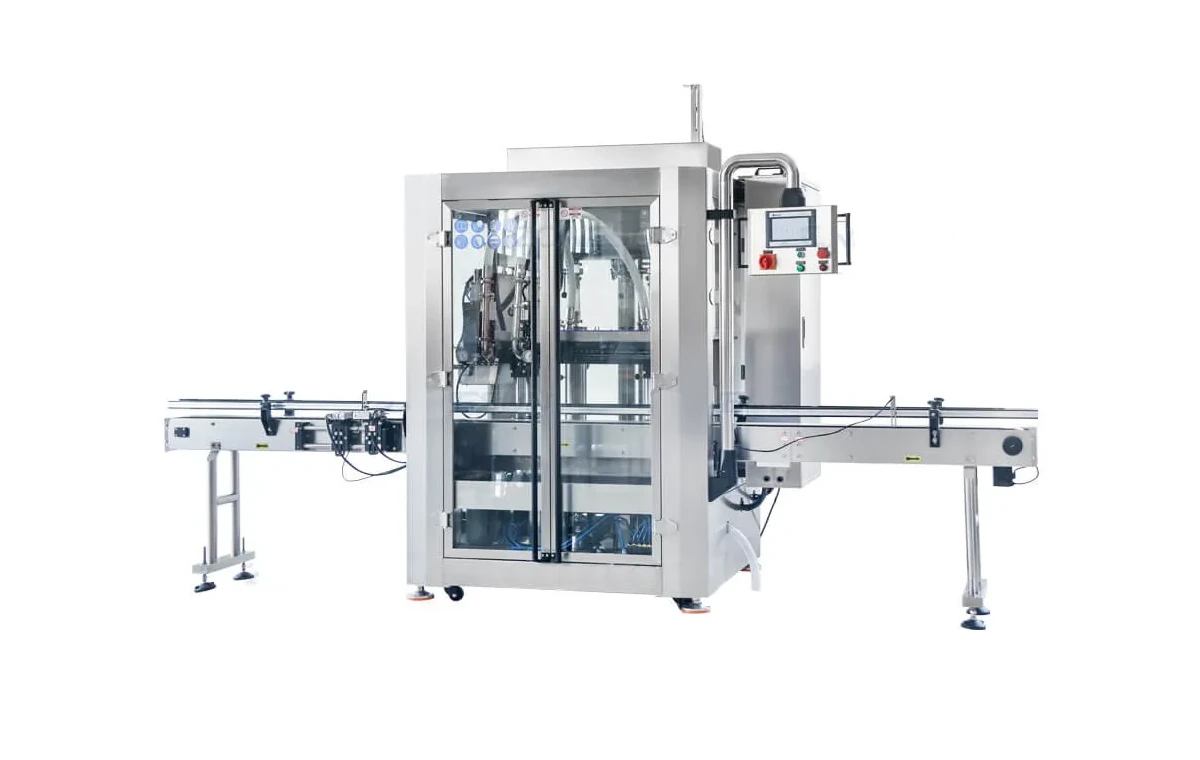
Two-Part Resin Filling Machines UK
Two-part resin filling machine routes for resin and hardener products where ratio, viscosity, container type and changeover must be reviewed.
Ask for adviceResin and hardener
Two-part resin filling machine routes for resin and hardener products where ratio, viscosity, container type and changeover must be reviewed.
Specification route
A successful two-part resin project starts with the product data and the container, not just the headline output. The filling route may need to account for foaming, fumes, viscosity, corrosiveness, flammability, fill accuracy and how stable the pack is on a conveyor.
For many chemical manufacturers the best answer is a staged discussion: first confirm compatibility and pack handling, then decide whether a compact semi-automatic filler, a multi-head automatic system or a full fill-cap-label line is the right step.
Product and pack fit
These examples help frame the enquiry. The final machine choice still depends on the exact formulation, container material, closure type and production target.
Machine options
The right route may be simple or fully integrated. Compare the possible machinery route against your liquid behaviour, site constraints and target output.
Two-part resin filling machine routes for resin and hardener products where ratio, viscosity, container type and changeover must be reviewed.
Ask for advice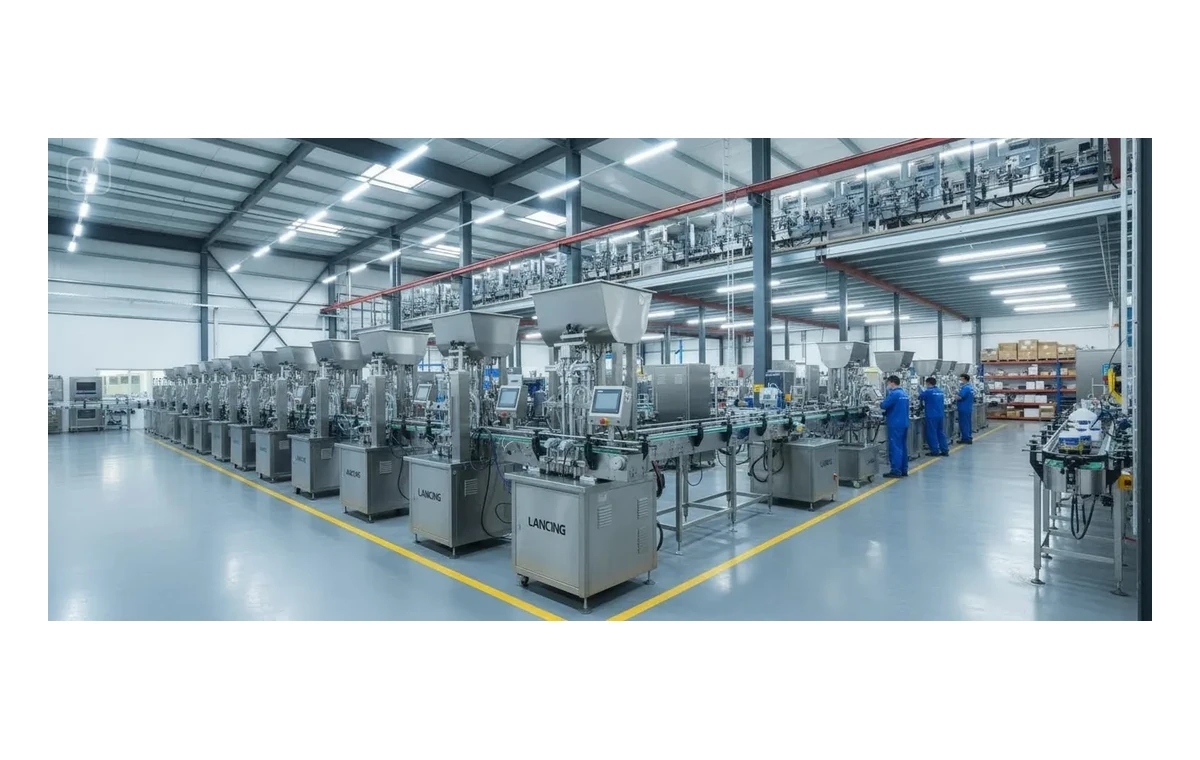
For higher-output projects, consider the filler alongside closure handling, labelling, coding, accumulation and operator access.
View line options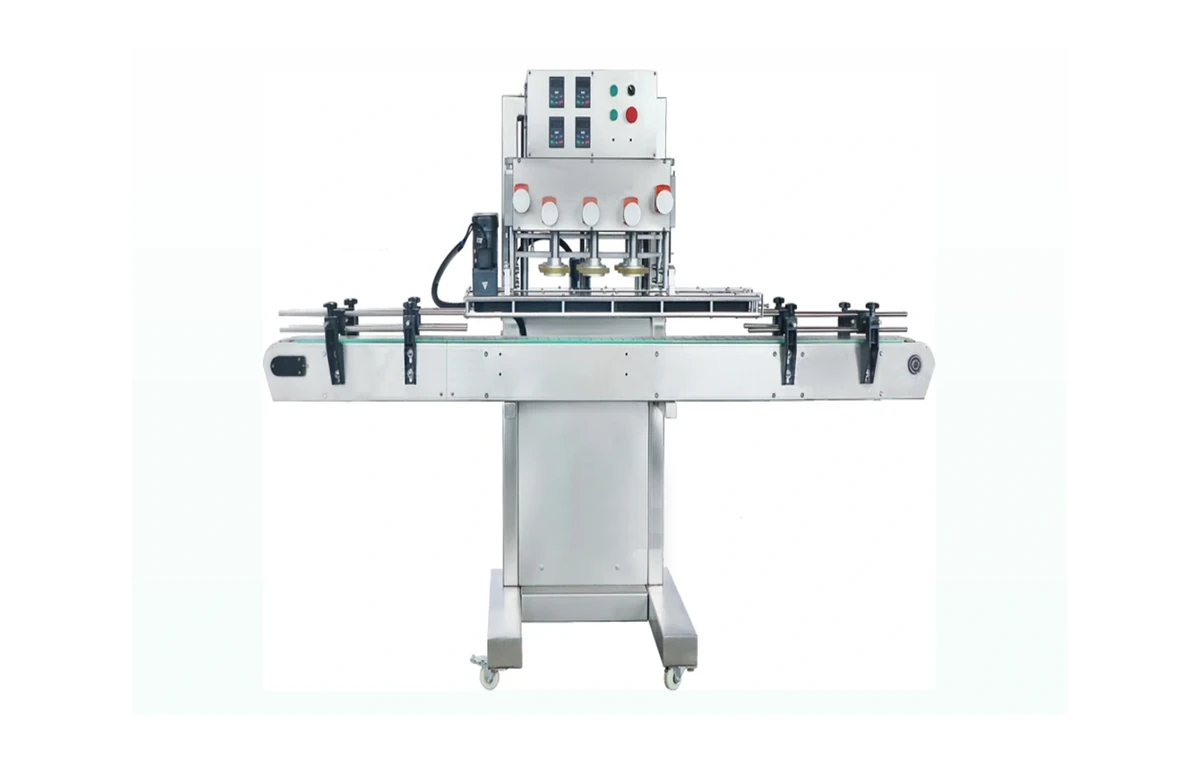
Cap diameter, torque, trigger orientation, pump length and tamper-evident bands can affect the whole machine layout.
View cappingQuote process
Check whether the liquid is corrosive, flammable, foamy, viscous, abrasive or sensitive to contact materials.
Send dimensions and photos so stability, neck access, fill height and cap handling can be reviewed.
Containers per hour, batch size and changeover frequency decide whether semi-automatic or automatic equipment is best.
Confirm whether filling, capping, labelling, coding, conveyors and guarding need to be specified together.
FAQ
Yes. The recommended route depends on the exact formulation, viscosity, container size, closure, output target and any compatibility or hazardous-area requirements.
Useful details include fill volume, bottle or container dimensions, neck finish, closure samples, target output, batch size and changeover needs.
Yes. Planning the filling method alongside cap handling, labelling, coding and conveyors helps avoid line-speed and handling issues later.
The SDS and product compatibility data are useful, especially for corrosive, flammable, foamy, viscous or hazardous products.
Speak to Lancing
Send the product, fill volume, container, closure and target output. Include SDS and compatibility notes where relevant.