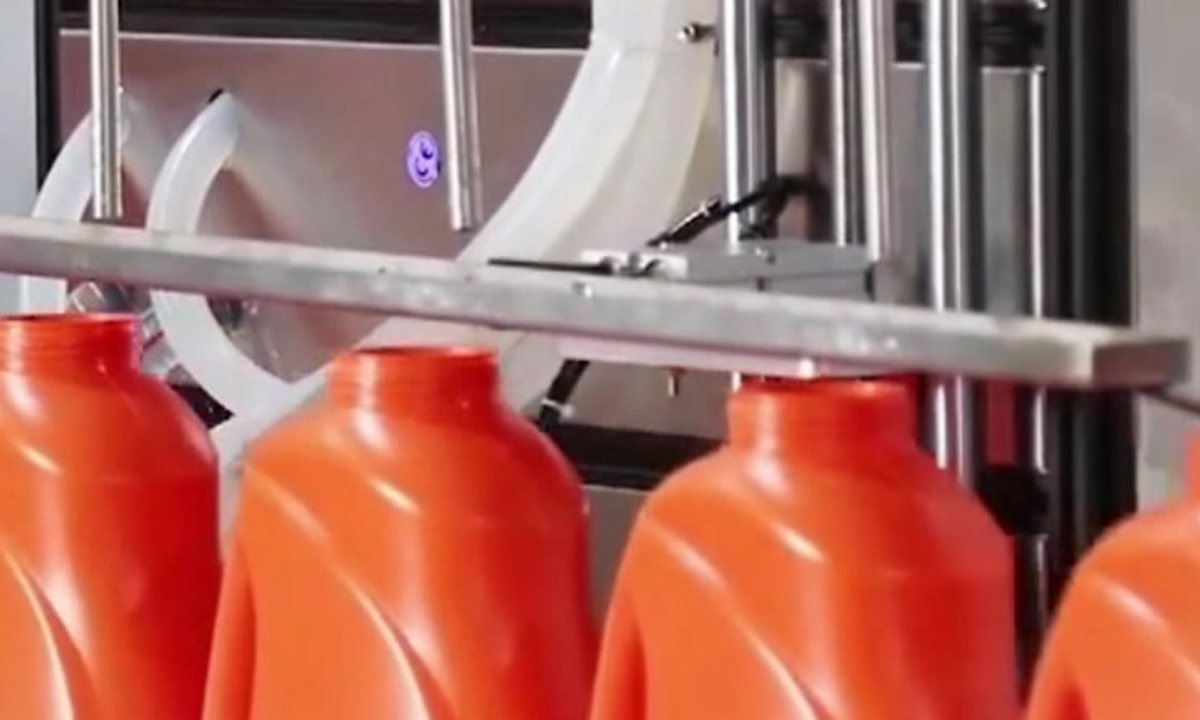
Liquid behaviour
Confirm whether the product is thin, viscous, foamy, abrasive, fuming, corrosive or solvent-based. That guides pump selection, nozzle design, wetted materials and cleaning access.
chemical liquid filling
This page helps UK manufacturers planning low-viscosity, foamy, corrosive and viscous chemical liquids to compare filling machinery around selecting a filling method around behaviour rather than only fill volume.
Buyer guidance
Liquid filling machines for chemicals UK should be specified from real production details, not from a generic machine list. The product, packaging and site conditions all affect the safest and most practical route.
Confirm whether the product is thin, viscous, foamy, abrasive, fuming, corrosive or solvent-based. That guides pump selection, nozzle design, wetted materials and cleaning access.
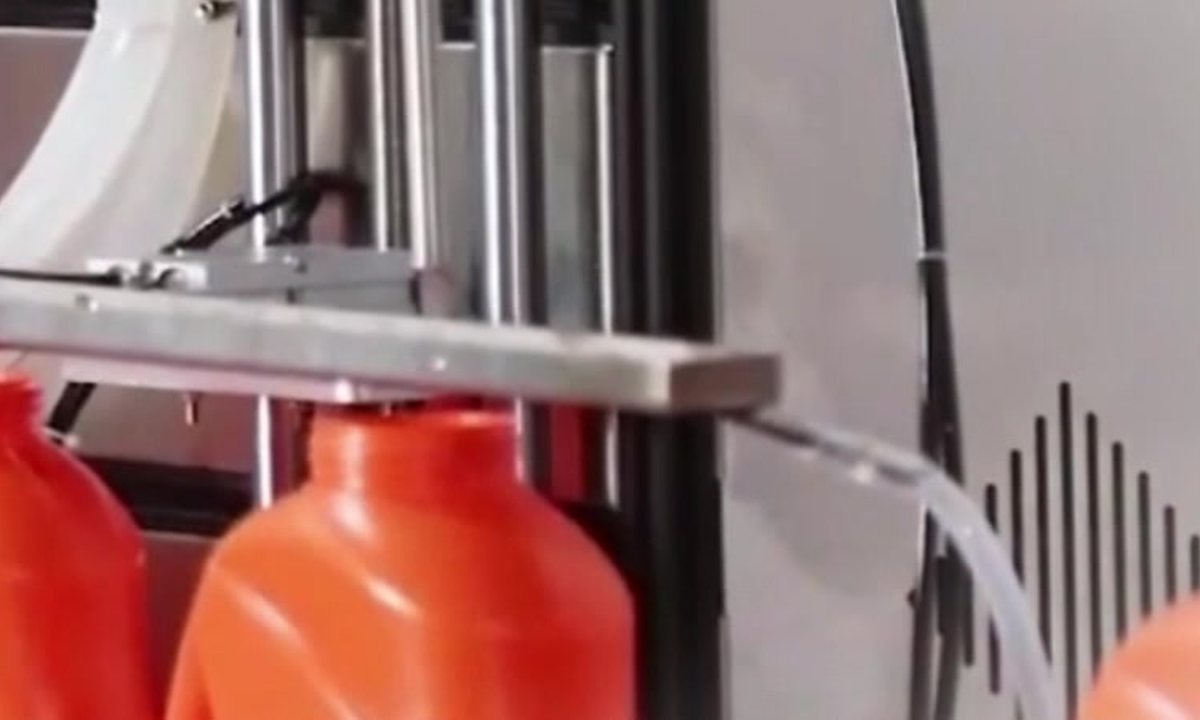
Send bottle, jerrycan, pail or drum samples with caps, triggers, pumps, labels and neck details. Container stability and cap style often decide how the line should be laid out.
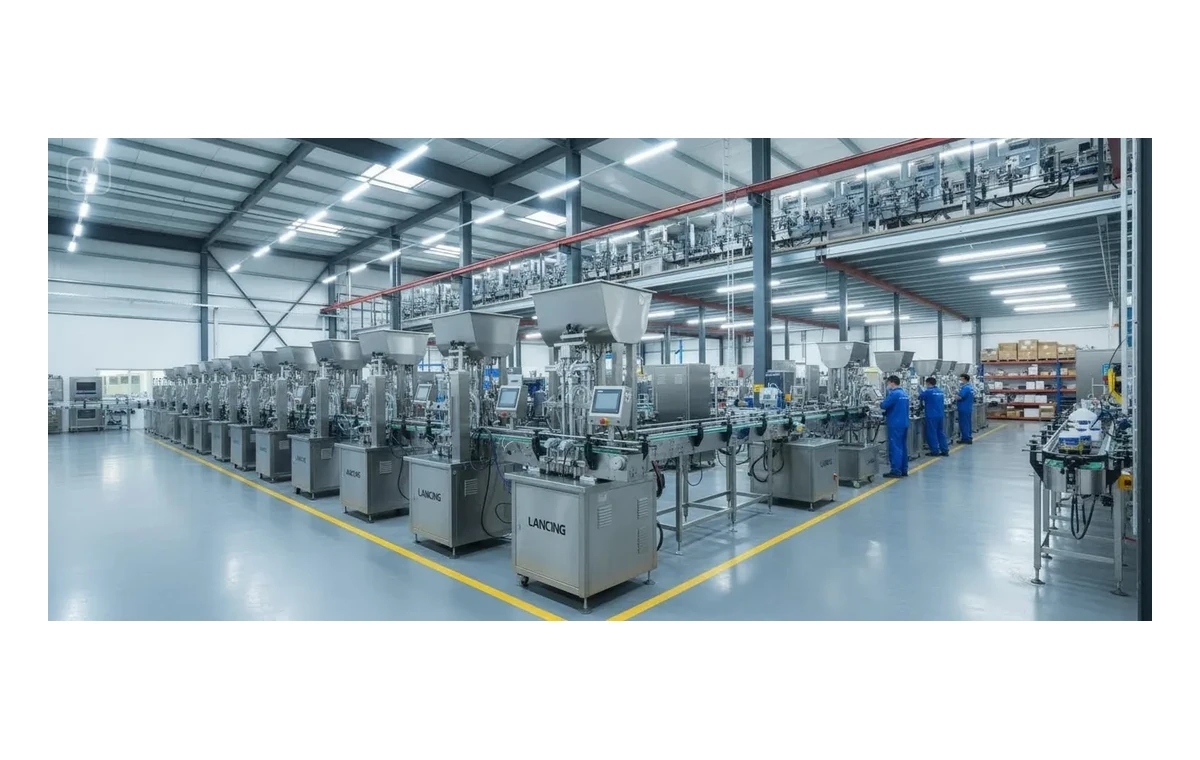
Define packs per minute, packs per hour or packs per shift. The target output determines whether a compact, semi-automatic, multi-head or fully integrated route is suitable.
Recommended route
For low-viscosity, foamy, corrosive and viscous chemical liquids, the correct machinery route depends on how the liquid behaves during filling and how the pack behaves during handling. A simple filler may be right for low-volume production, while higher output normally requires conveyors, container control, cap handling and labelling to be specified together.
Where products are corrosive, flammable, fuming or difficult to clean, the discussion should include SDS data, site constraints, wetted parts, hoses, seals, guarding and operator workflow before equipment is finalised.
Machine choice
The table below is a practical starting point for narrowing the specification.
| Option | Useful when | Points to confirm |
|---|---|---|
| Compact or benchtop filling | Small batches, samples, start-up production or limited floor space. | Operator handling, product feed, cleaning and future upgrade path. |
| Semi-automatic filling | Manual filling is too slow or inconsistent, but a full line is not yet required. | Nozzle control, container holding, fill accuracy, drips and changeover. |
| Automatic filling line | Repeat production needs higher output and consistent pack presentation. | Conveyors, cap handling, labelling, coding, guarding and line speed. |
| Specialist or ATEX discussion | The product is flammable, corrosive, fuming, hazardous or site-sensitive. | SDS, zoning, compatibility, operator exposure and installation environment. |
Common questions
An initial discussion can start from photos and data, but final machinery selection is stronger when product, container and closure samples are available.
Yes, especially when target output matters. A filler that is faster than the capper, labeller or operator process will not improve the full line.
Changeover, clean-down and compatibility need to be reviewed. Some product ranges suit one flexible machine; others require different contact parts or separate routes.
Yes. Send the SDS and describe the site. Corrosive, fuming, solvent or hazardous products need compatibility and safety considerations before quoting.
Related pages
Speak to Lancing
Include SDS, container samples, closure details and the output you need. Lancing can then advise which chemical filling route is practical.