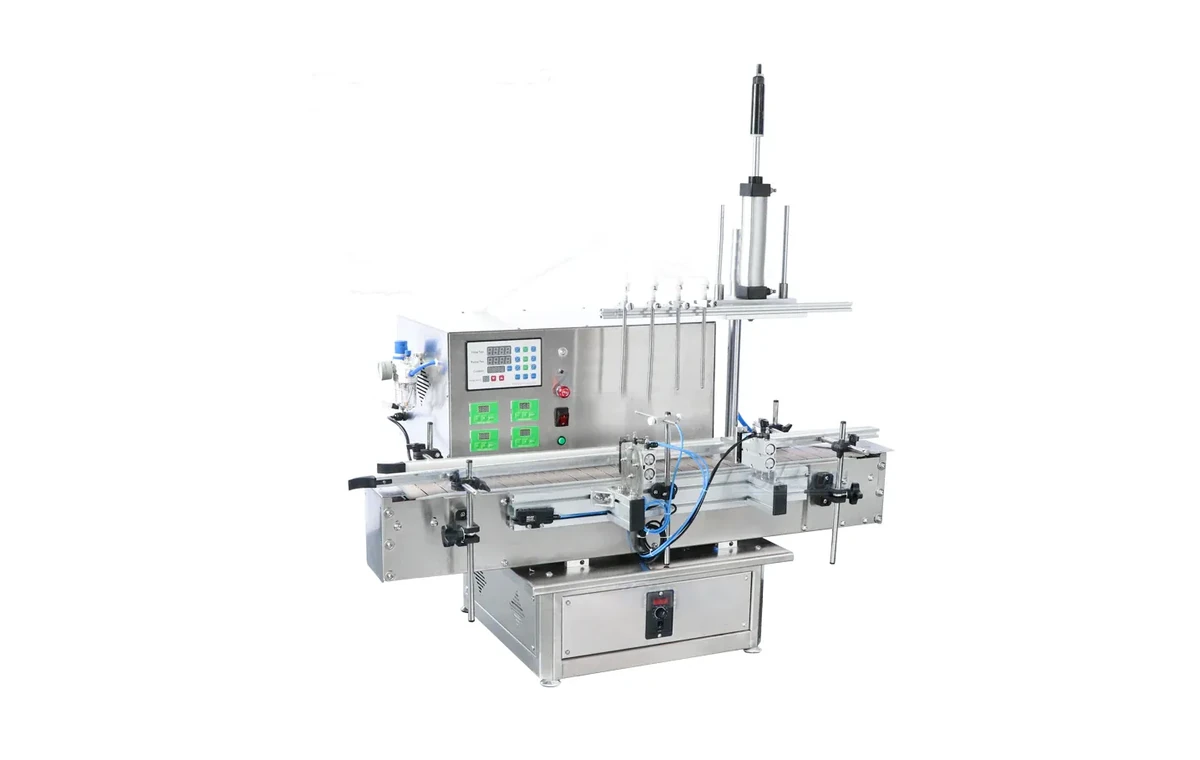
Solvent Filling Machines UK
Solvent filling machine guidance for thinners, low-viscosity liquids and specialist chemicals where vapour, splash control and site layout need review.
Read moreThin chemical liquids
Thin liquids can splash, foam, drip or create vapour concerns. Filling machinery should be reviewed around flow control, nozzle design, container stability and any solvent or ATEX considerations.
What to check
Thin liquids can splash, foam, drip or create vapour concerns. Filling machinery should be reviewed around flow control, nozzle design, container stability and any solvent or ATEX considerations.
Compare routes
Use these linked routes to compare filling method, automation level, capping, labelling and container handling before requesting a quote.
Solvent filling machine guidance for thinners, low-viscosity liquids and specialist chemicals where vapour, splash control and site layout need review.
Read more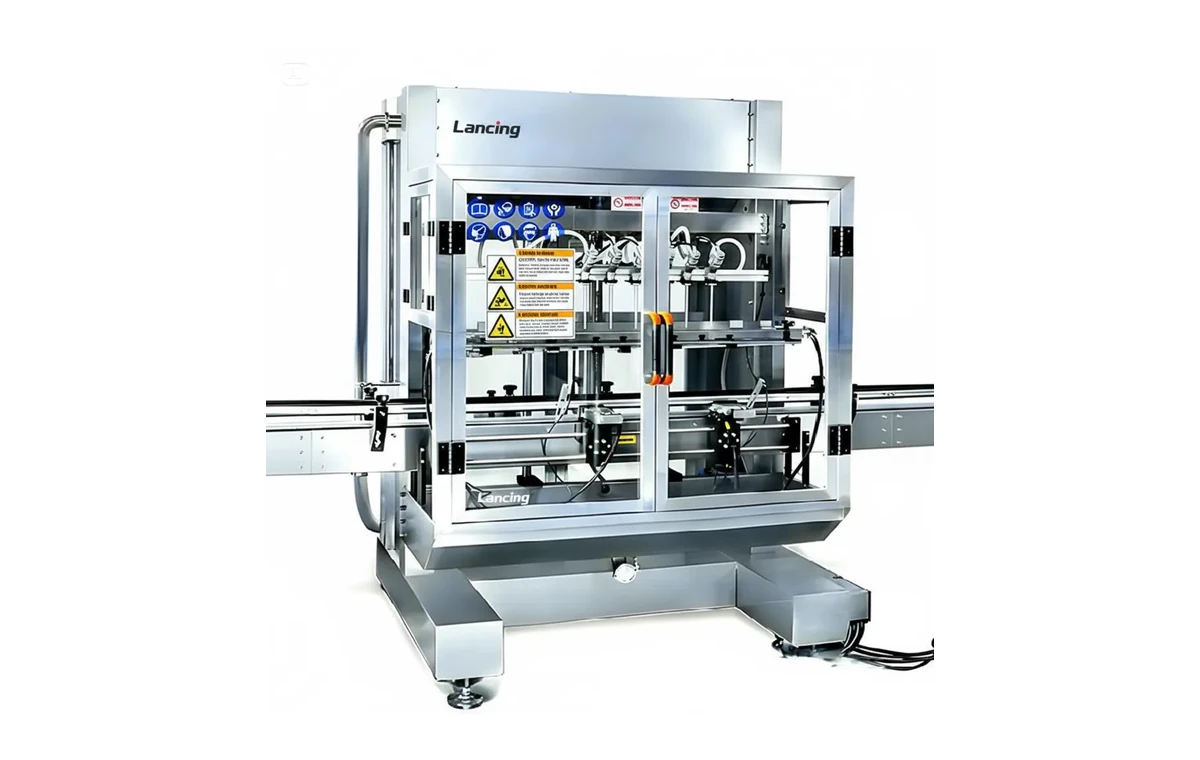
ATEX filling machine options for solvent, flammable-liquid and hazardous-area chemical filling projects needing specification review and UK machinery support.
Read moreHazardous liquid filling machine guidance for chemical and solvent products where compatibility, vapour, flammability, ATEX and site constraints must be reviewed.
Read moreProject details
These examples help frame the enquiry. The final machine choice still depends on your exact formulation, container and production target.
Quote process
Share product type, viscosity, foaming, corrosiveness, solvent content, SDS and compatibility notes where relevant.
Send container photos, dimensions, neck finish, closure samples and target fill volumes.
State containers per hour, batch size, changeover frequency and future production plans.
Confirm whether you need filling only or filling with capping, labelling, coding and conveyors.
FAQ
No. They may splash, drip, foam or require vapour and safety review.
Flammable or volatile liquids should be reviewed for site, vapour and hazardous-area requirements.
Peristaltic filling can be useful for some low-viscosity products, depending on tube compatibility and output requirement.
Send the product details, SDS where relevant, fill volume range, container dimensions or photos, closure type, target output and any compatibility or site constraints.
Speak to Lancing
Send the product, fill volume, container, closure and target output. Include SDS and compatibility notes where relevant.