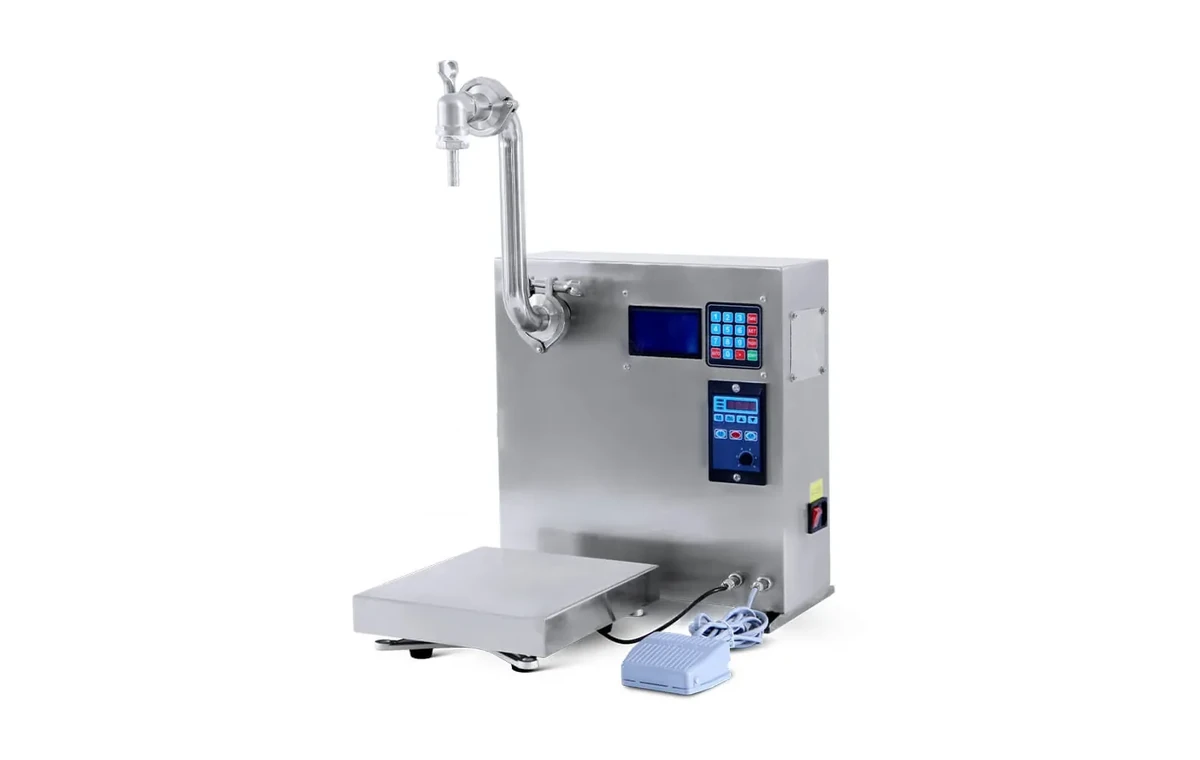
Paint & Varnish Filling Machines UK — Tin, Pail & Bottle Fillers
Paint and varnish filling machine options for tins, cans, bottles and pails with viscosity, accuracy, drip control, lidding and labelling review.
Read moreInk and specialist liquids
Ink filling machinery should be chosen around viscosity, pigment behaviour, cleaning, colour changeover, fill accuracy and pack type. Lines can be built for small bottles, pots, larger pails or specialist containers.
What to check
Ink filling machinery should be chosen around viscosity, pigment behaviour, cleaning, colour changeover, fill accuracy and pack type. Lines can be built for small bottles, pots, larger pails or specialist containers.
Before a machine is shortlisted, the product data, fill volume, container shape, cap or closure, batch size and target output should be reviewed together. This helps avoid choosing equipment that fills the liquid but struggles with the finished pack.
Compare routes
Use these linked routes to compare filling method, automation level, capping, labelling and container handling before requesting a quote.
Paint and varnish filling machine options for tins, cans, bottles and pails with viscosity, accuracy, drip control, lidding and labelling review.
Read more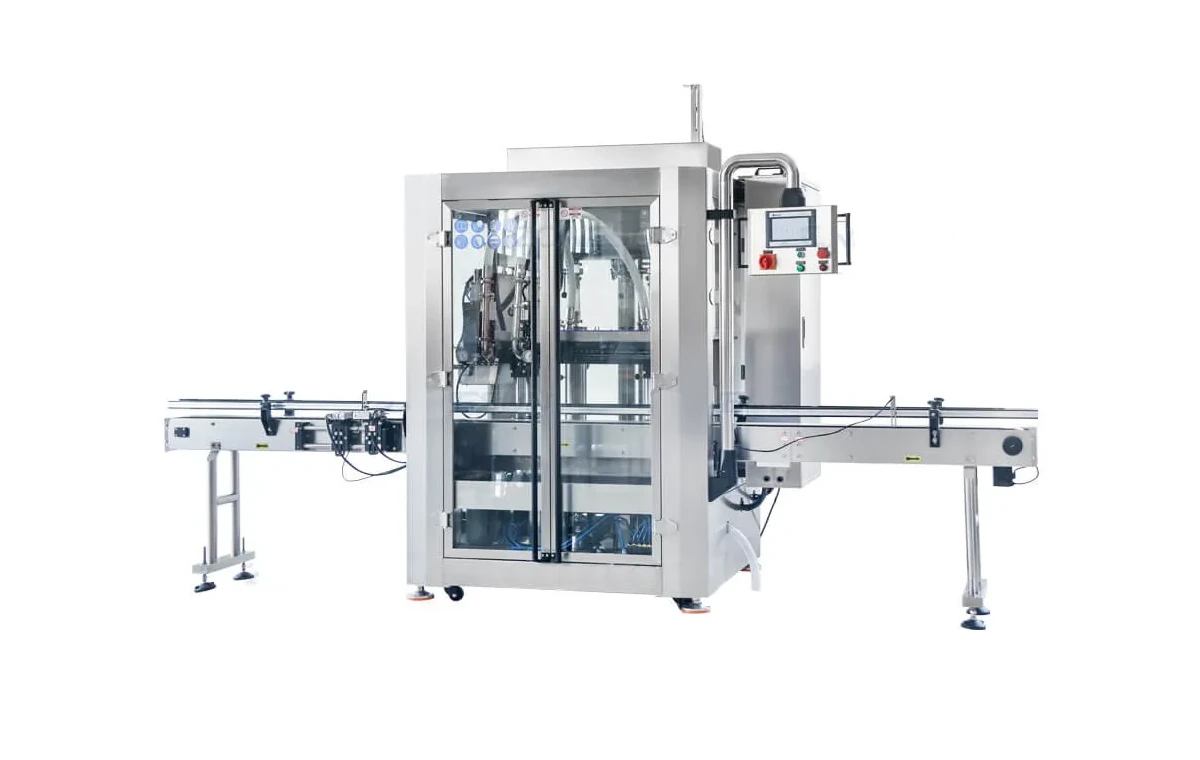
Viscous chemical filling machines for thick liquids, gels, oils, coatings, adhesives and industrial products in bottles, tubs, pails and jerrycans.
Read more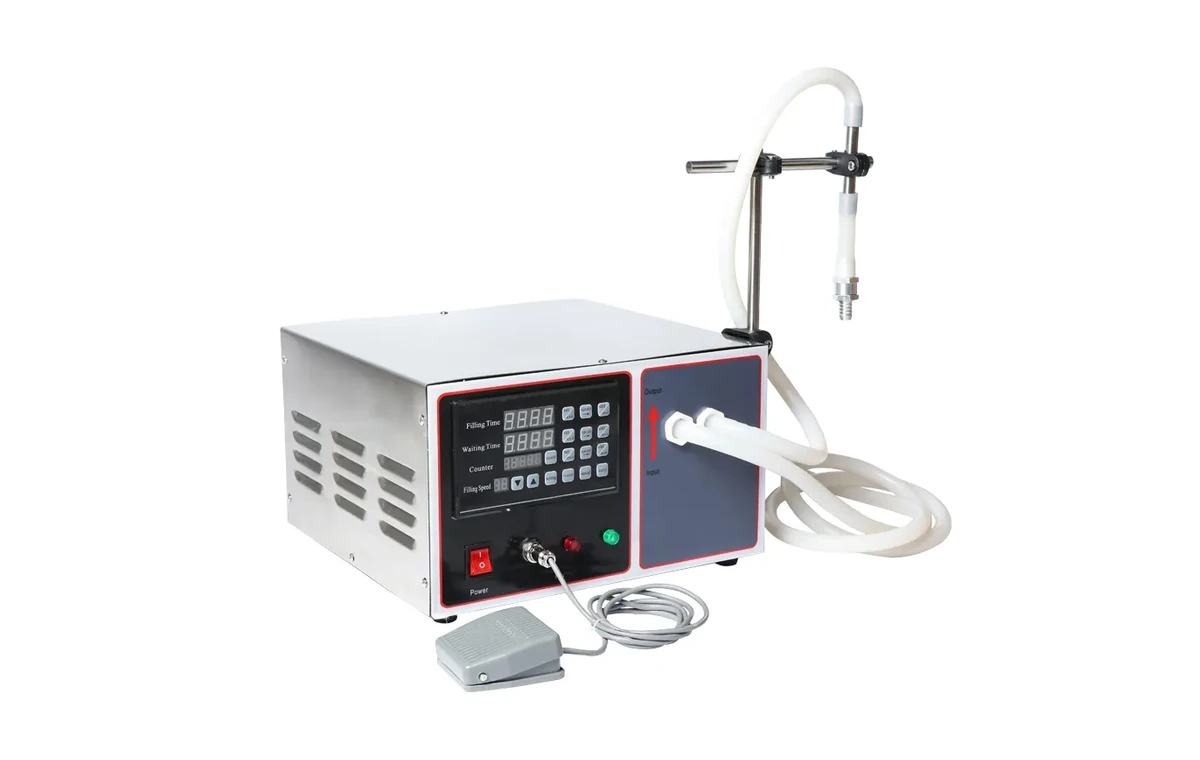
Small batch chemical filling machines for trials, short runs, start-ups and growing manufacturers filling cleaners, oils, detergents and specialist liquids.
Read moreProject details
These examples help frame the enquiry. The final machine choice still depends on your exact formulation, container and production target.
Quote process
Share product type, viscosity, foaming, corrosiveness, solvent content, SDS and compatibility notes where relevant.
Send container photos, dimensions, neck finish, closure samples and target fill volumes.
State containers per hour, batch size, changeover frequency and future production plans.
Confirm whether you need filling only or filling with capping, labelling, coding and conveyors.
FAQ
Yes, but cleaning access and changeover procedure should be considered in the specification.
Viscous products can be filled with a suitable pump or dosing system matched to the product.
Viscosity, pigment content, fill range, container samples and cleaning needs are useful.
Speak to Lancing
Send the product, fill volume, container, closure and target output. Include SDS and compatibility notes where relevant.