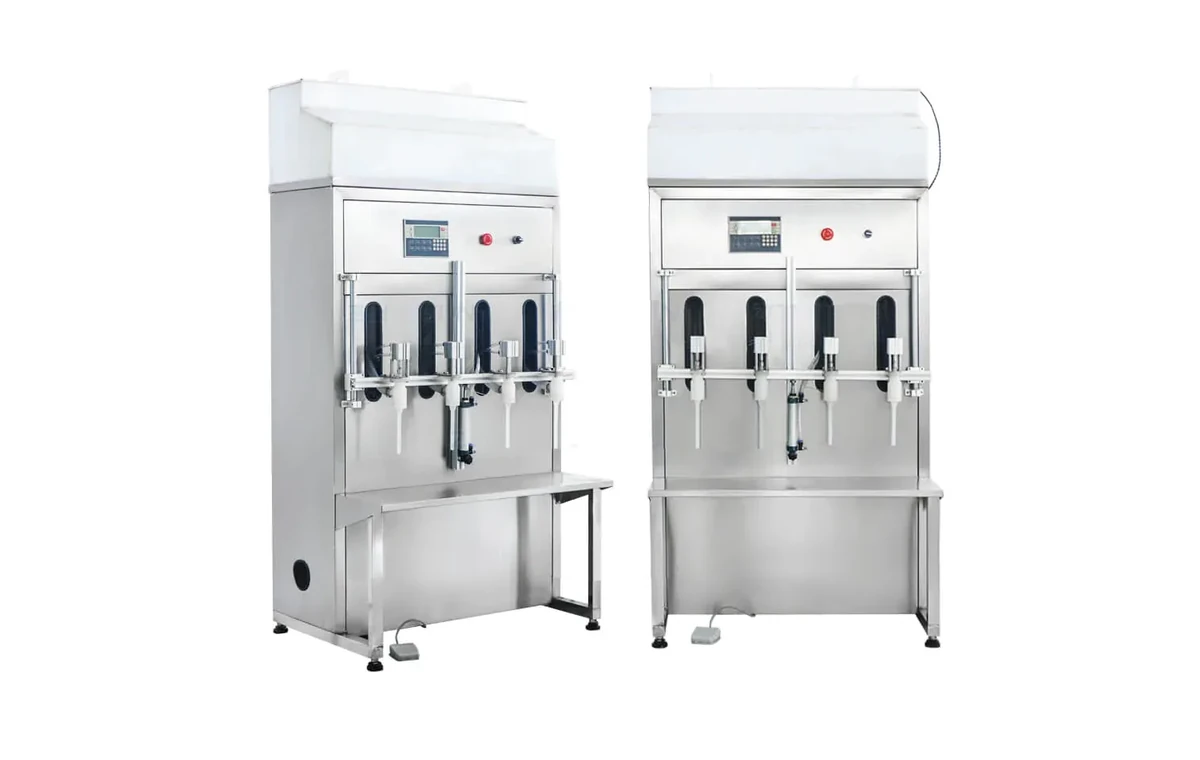
Corrosive Liquid Filling Machines UK
Corrosive liquid filling machines for acids, bleach, alkalis, fertilisers and aggressive cleaners with pump, hose, seal and wetted-part compatibility review.
Read moreBleach and chlorine cleaners
Bleach projects need more than a generic liquid filler. The machine route should account for corrosion, fumes, foaming, fill accuracy, container stability and closure handling before output speed is set.
What to check
Bleach projects need more than a generic liquid filler. The machine route should account for corrosion, fumes, foaming, fill accuracy, container stability and closure handling before output speed is set.
Compare routes
Use these linked routes to compare filling method, automation level, capping, labelling and container handling before requesting a quote.
Corrosive liquid filling machines for acids, bleach, alkalis, fertilisers and aggressive cleaners with pump, hose, seal and wetted-part compatibility review.
Read more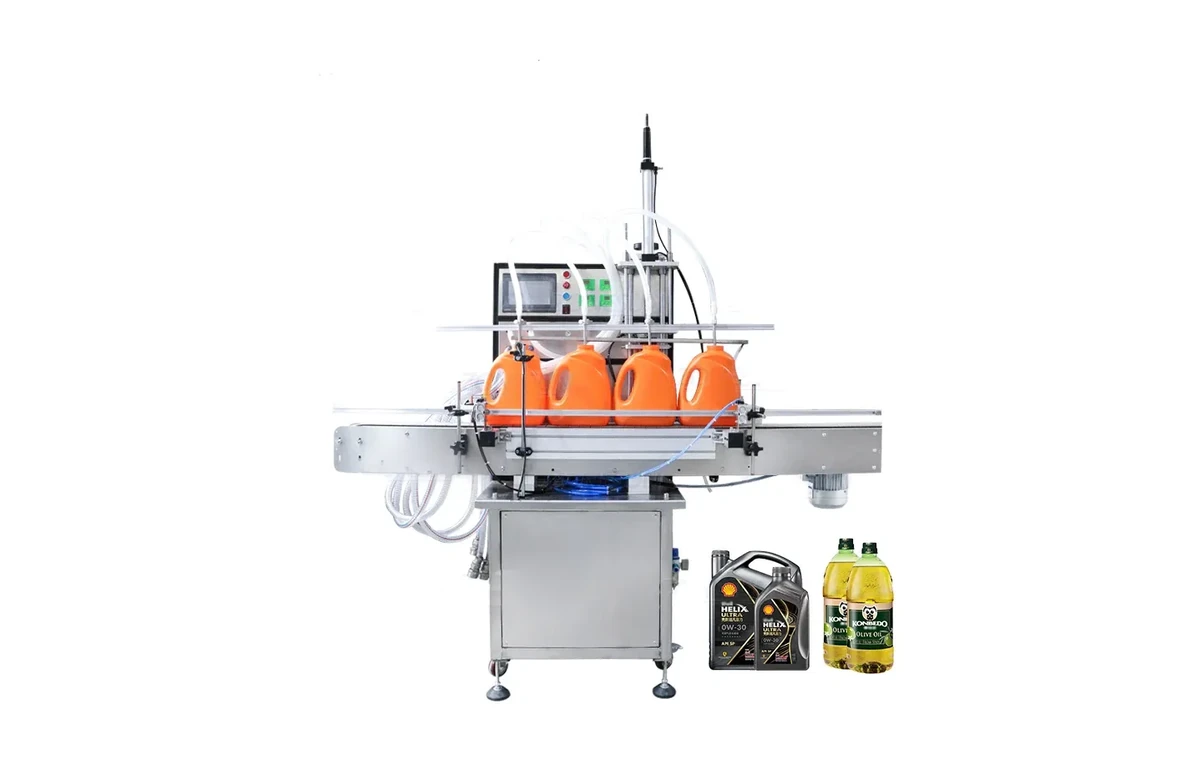
Detergent and cleaning-product filling machines for foamy liquids, sanitisers, trigger sprays, gels, bleach cleaners and household chemical lines.
Read more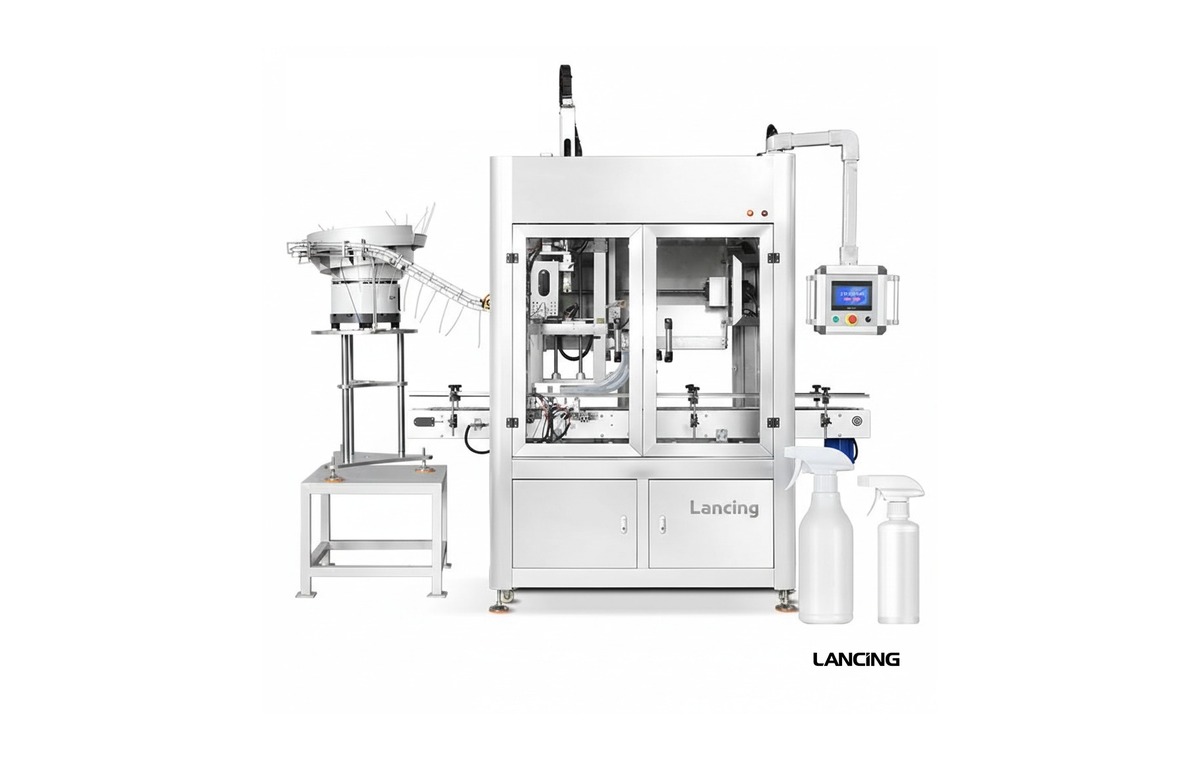
Trigger spray bottle filling line options for cleaners, sanitisers, car-care chemicals and household products with filling, trigger placement and labelling review.
Read moreProject details
These examples help frame the enquiry. The final machine choice still depends on your exact formulation, container and production target.
Quote process
Share product type, viscosity, foaming, corrosiveness, solvent content, SDS and compatibility notes where relevant.
Send container photos, dimensions, neck finish, closure samples and target fill volumes.
State containers per hour, batch size, changeover frequency and future production plans.
Confirm whether you need filling only or filling with capping, labelling, coding and conveyors.
FAQ
Some bleach products may require non-metal or carefully selected contact materials. The correct route depends on concentration, temperature, contact time and the full compatibility review.
Common routes include gravity, pump or anti-corrosion filling systems depending on viscosity, container size and output target.
Yes, but trigger orientation, bottle stability and cap presentation need to be checked before specifying the line.
Send the product details, SDS where relevant, fill volume range, container dimensions or photos, closure type, target output and any compatibility or site constraints.
Speak to Lancing
Send the product, fill volume, container, closure and target output. Include SDS and compatibility notes where relevant.
For bleach and other reactive cleaning formulations, the empty bottle, cap and liner should be assessed together with the liquid. Some chemical products generate gas or create pressure changes during storage. A correctly filled bottle can therefore still deform or leak if its packaging system has not been qualified for the formulation and intended conditions.
Ask the chemical and packaging suppliers whether the proposed product requires a vented closure or another specific container arrangement. If venting is specified, provide the actual cap and liner samples to the machinery supplier. Capping, sealing and any tamper-evident operation must remain compatible with that approved design. Do not add an ordinary sealing liner to a vented pack or substitute a closure simply because the thread fits without obtaining the packaging supplier’s approval.
Request finished-pack samples from the filling and closing trial for the product owner’s agreed compatibility and storage checks. Record the formulation, concentration, bottle reference and complete closure reference so the approved combination is clear. The filler trial establishes handling and filling performance; the pack qualification establishes whether the closed container suits the chemical. Keeping both decisions visible can prevent a reliable filling machine being paired with an unsuitable pack.
No. The complete bottle, closure and formulation also need the packaging supplier’s appropriate compatibility and storage assessment.
Do not assume equivalence. Confirm the complete replacement closure and liner with the product and packaging suppliers before changing the approved pack.
Review chemical closure handling Specify compatible filling components